
41 of the largest clean-energy and climate-mitigation projects on Earth — operating or under construction right now. Real megawatts, real photos, real numbers.
Real projects. Real megawatts. Happening now. Below is a working atlas of the largest clean-energy and climate-mitigation builds on the planet — the solar parks, wind farms, dams, reactors, geothermal fields, batteries, hydrogen plants and cables that are rewriting the energy map. Every capacity, cost and status figure has been verified against published sources; anything we couldn't verify, we left out.
The largest single-point solar generators on Earth — from Rajasthan's deserts to California's valleys.
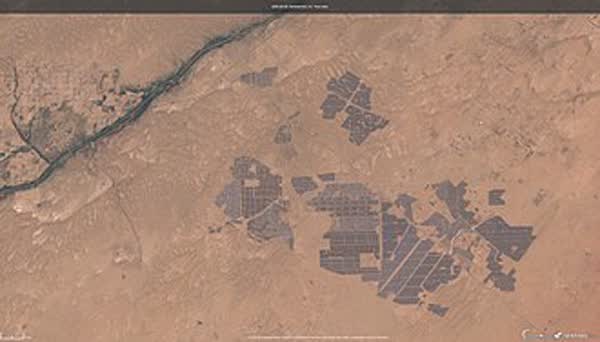
The largest solar park in the world by capacity, sprawling across some 14,000 acres of the Thar Desert in Rajasthan with more than 10 million panels. Built in phases by multiple developers, it turned one of Earth's sunniest wastelands into a single power station.
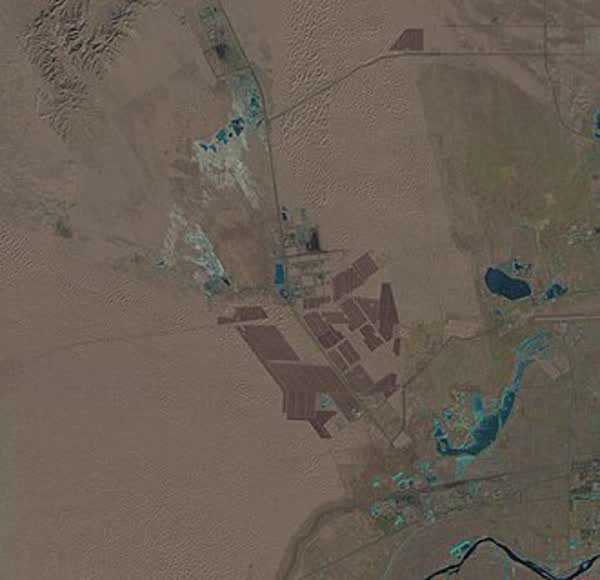
One of China's earliest giant desert PV complexes, commissioned in 2016 on the edge of the Tengger Desert near Zhongwei, Ningxia. It anchored a national push to turn sun-baked western deserts into power bases.
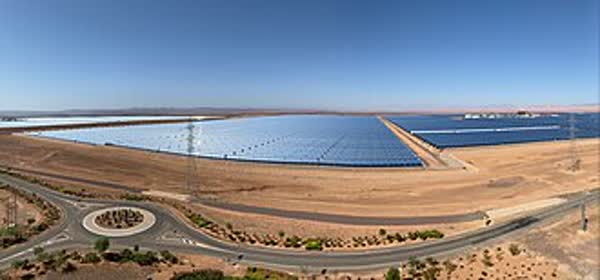
The largest concentrated-solar complex in the world. Mirrors focus Saharan sun onto towers of molten salt, storing heat so the plant keeps generating after dark — a proof that deserts are batteries waiting to be wired. Developed at a cost of about $3.9 billion.
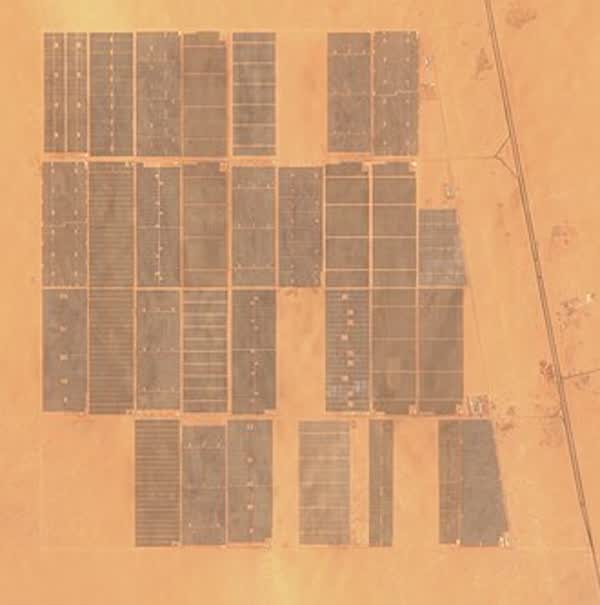
Forty-one solar plants side by side in the desert near Aswan, at full operation since 2019 and among Africa's largest solar parks. A grid-scale template for sun-rich countries phasing out fossil power.
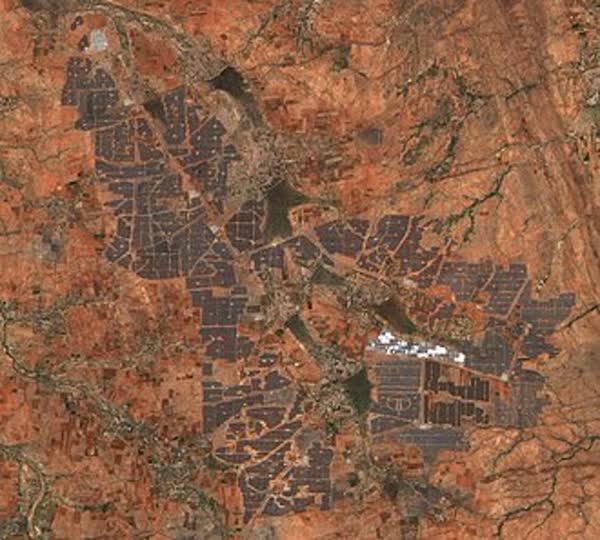
Spread across drought-prone land in Karnataka and fully commissioned in 2019, with plots leased from thousands of farmers who earn rent from the sun. One of the biggest PV parks on the planet.
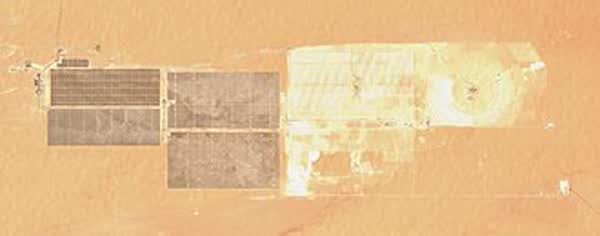
Dubai's flagship solar city in the desert: 5,000 MW planned by 2030 under a ~$13.6B investment, already the largest single-site solar park in the world under the independent-power-producer model. Combines PV with a molten-salt tower for after-dark generation.
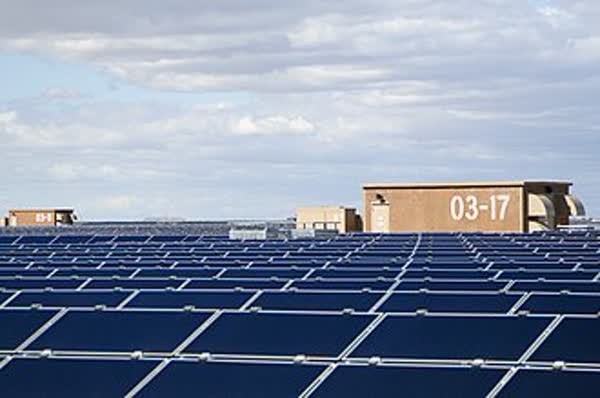
Nine million panels on California's Carrizo Plain — one of the first half-gigawatt PV plants ever built, completed at a cost of $2.5 billion. Powers roughly 160,000 homes without a drop of fuel.
Spanning Kern and Los Angeles counties, Solar Star is among the largest single photovoltaic power stations in the United States, with output equivalent to the electricity use of about 255,000 homes.
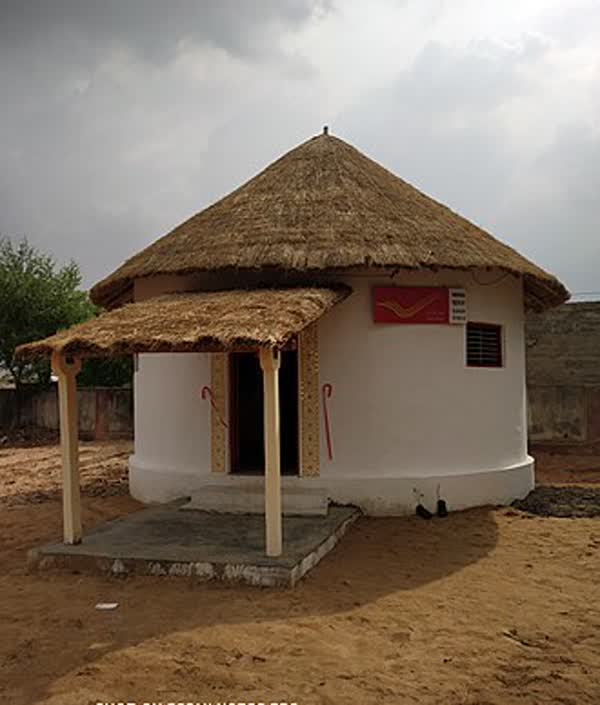
Rising on barren salt desert in Gujarat's Kutch region: already more than 9.4 GW commissioned and targeting 30 GW of hybrid solar and wind by 2029 — which would make it the largest renewable energy park on Earth, visible from space.
Steel forests planted in the sea — turbines taller than skyscrapers, farms bigger than cities.
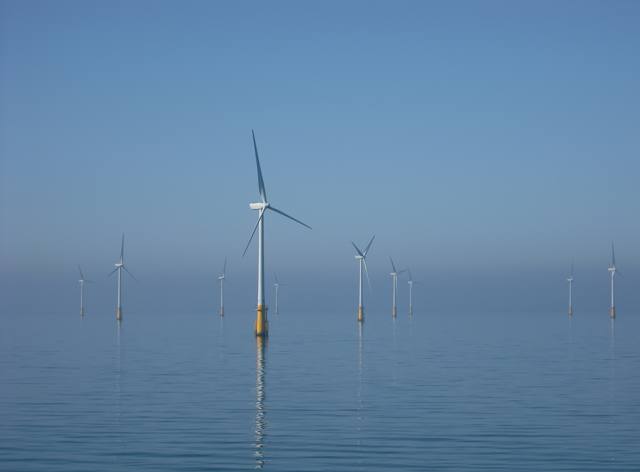
Eighty-nine kilometres off Yorkshire, Ørsted's twin farms are the largest operational offshore wind complex on the planet. Hornsea 2 — 165 turbines, fully running since August 2022 — held the Guinness record for the world's largest offshore wind farm. Hornsea 3 is on the way.
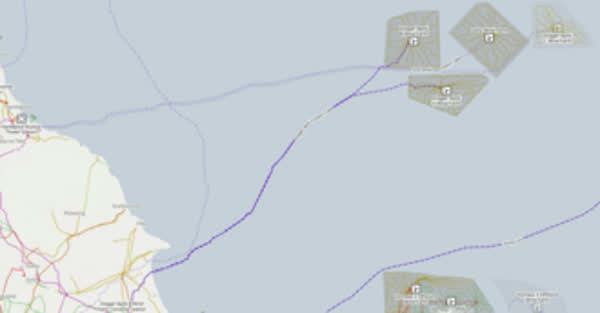
When finished (~2027–28), this will be the biggest offshore wind farm ever built: three 1.2 GW phases, some 277 GE Haliade-X turbines, at a cost of about £9B. Phase A is generating; B is commissioning; C is under construction. It's also the first UK wind farm connected by HVDC.
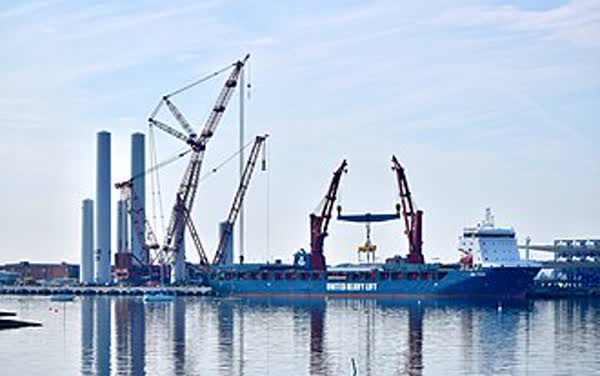
The first large-scale offshore wind farm in the United States. Sixty-two 13 MW GE Haliade-X turbines, fifteen miles off Martha's Vineyard, finished construction in 2026 after a $4.5 billion build by Avangrid and Copenhagen Infrastructure Partners.
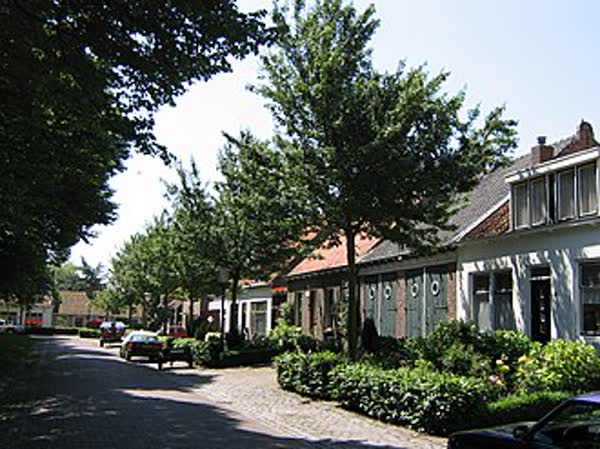
The Netherlands' flagship offshore zone: Borssele I & II (752 MW, 94 Siemens Gamesa 8 MW turbines, commissioned November 2020 — built straight through the pandemic), Borssele III & IV (731.5 MW) and Borssele V. The largest offshore wind farm in the Netherlands.
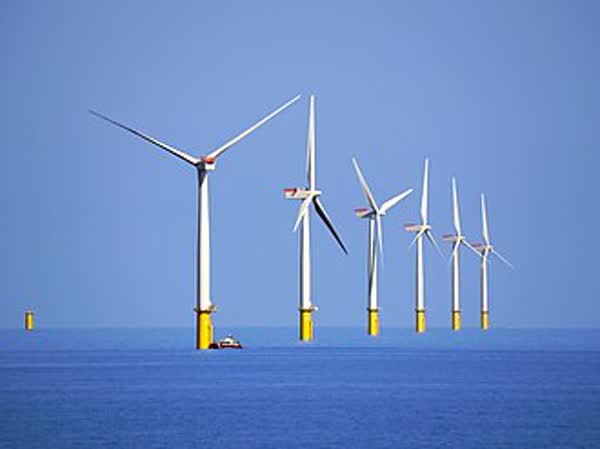
When it opened in 2018 it was the world's largest operational offshore wind farm — and the first to mix turbines from two different manufacturers (40 MHI Vestas 8 MW and 47 Siemens Gamesa 7 MW units) on one site in the Irish Sea.
The land-based giants — wind bases measured in gigawatts, not megawatts.
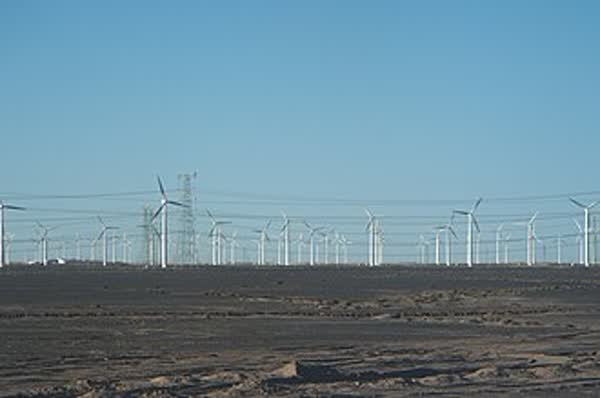
China's "wind power Three Gorges": a desert wind base near Jiuquan in Gansu province that already exceeds 10 GW of installed capacity, with a planned 20 GW. For years transmission lagged the turbines; utilization hit 95% in 2020 and expansion resumed.
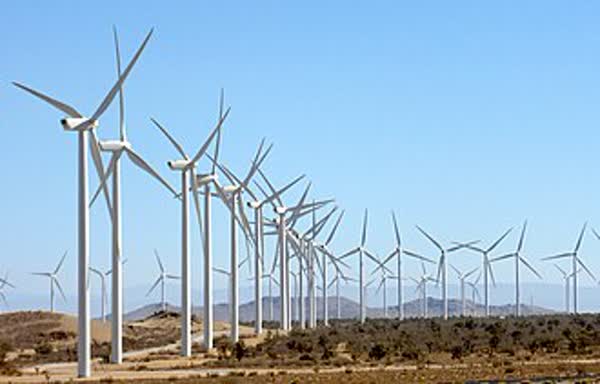
In the wind-tunnel of California's Tehachapi Pass, some 600 turbines make this the largest wind farm in the United States and one of the biggest onshore wind facilities in the world, serving the equivalent of half a million households.
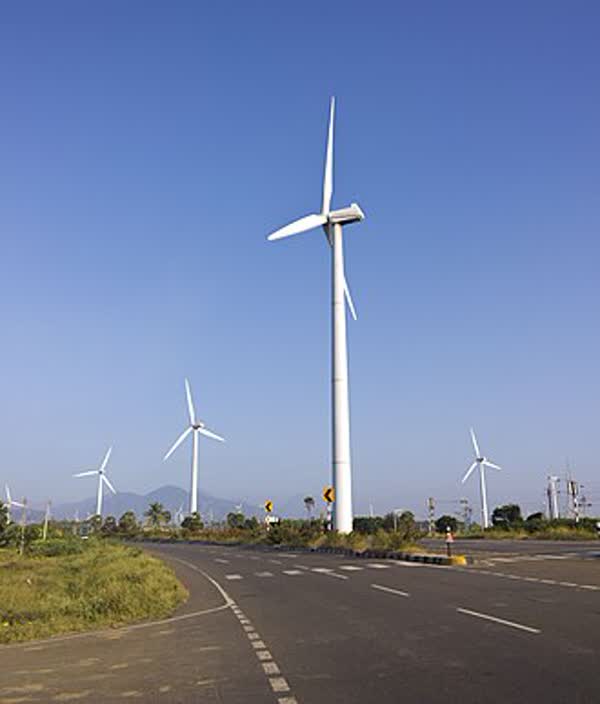
India's largest onshore wind farm, clustered in the Kanyakumari district of Tamil Nadu where the southwest monsoon funnels between hills year-round. One of the biggest onshore wind installations in the world.
The reactors being poured and commissioned right now — baseload that never blinks.
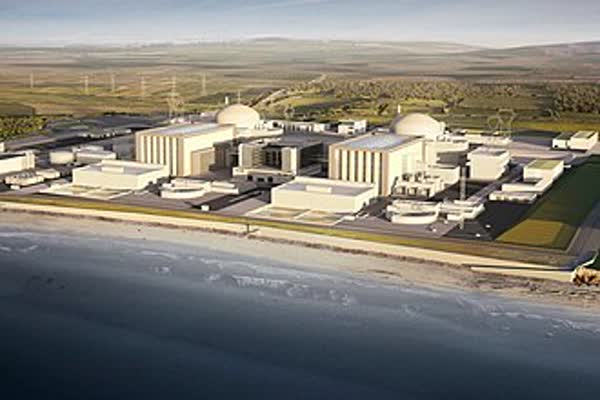
Britain's first new nuclear station since the 1990s: two European Pressurised Reactors in Somerset. At about £35B in 2015 money — nearly £50B with inflation — it's among the most expensive power plants ever attempted; first power is now expected in 2030, feeding ~7% of UK electricity.
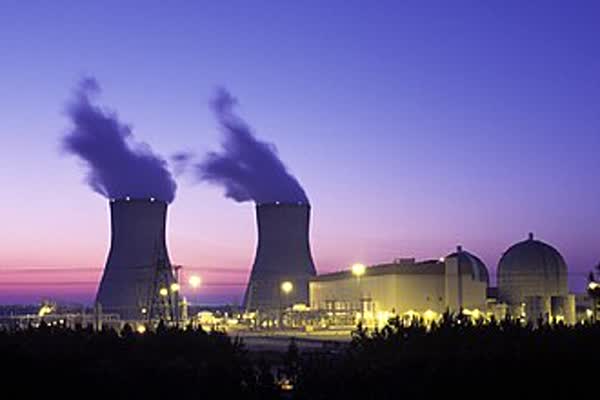
The first new commercial reactors built in the US in over three decades: two Westinghouse AP1000s near Waynesboro, Georgia. Unit 3 went commercial in July 2023, Unit 4 in April 2024 — at a final cost of about $36.8B, the most expensive power project in US history.
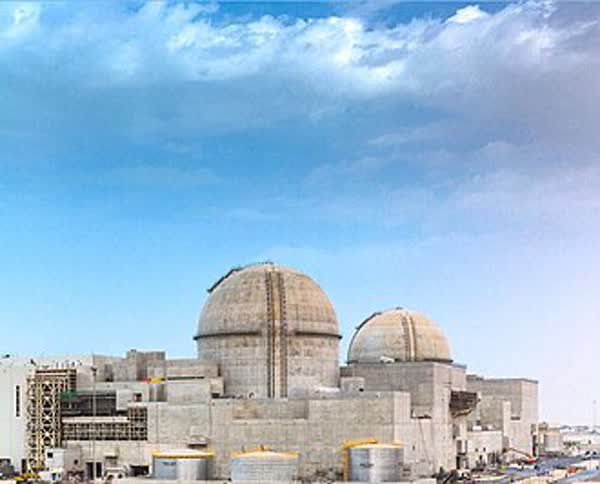
The Arab world's first commercial nuclear power station: four Korean-designed APR-1400 reactors at Al Dhafra, the last commissioned in March 2024. Generating up to 40 TWh a year — a quarter of the UAE's electricity — from a $32B build.
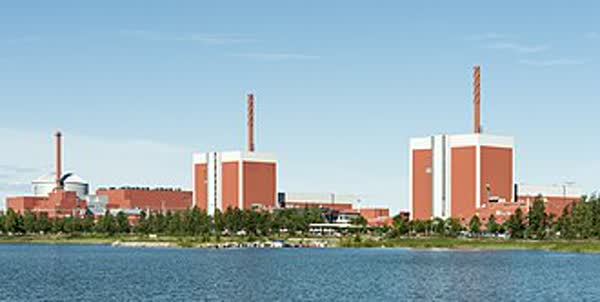
Europe's biggest single reactor and the first EPR on the continent, reaching regular power output in April 2023 after 17 years of construction. At ~€11B it tripled its budget — then immediately helped push Finland into electricity-export status and cut wholesale prices.
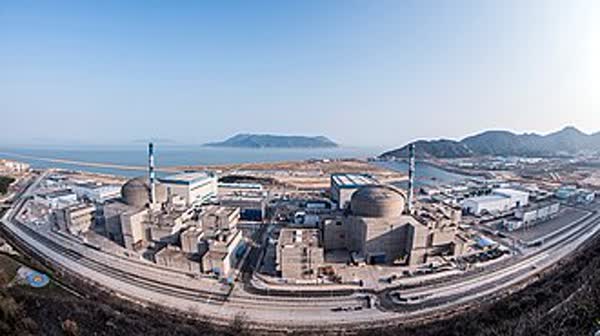
Two 1,660 MW EPR reactors on China's southern coast — and the first EPRs in the world to reach commercial operation (Unit 1 in December 2018, Unit 2 in September 2019), built for about $7.5B by a CGN–EDF joint venture. Europe designed the EPR; China built it first.
The heavyweights — rivers turned into baseload, and the reservoirs that rival seas.
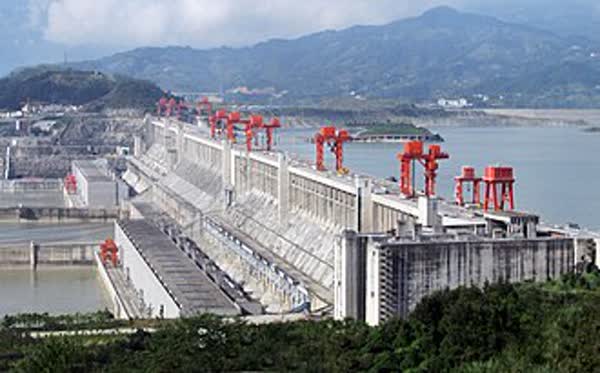
The largest power station on Earth by capacity: 34 generators across a 2.3 km dam on the Yangtze. Typically produces around 100 TWh a year — and hit a record 111.8 TWh in 2020. Flood control, shipping and power in one structure.
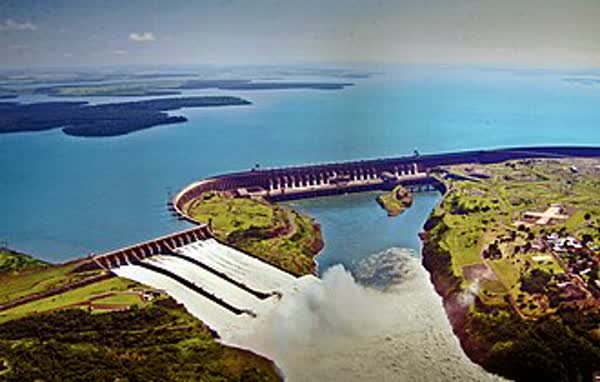
A binational undertaking on the Paraná River running since 1984: twenty 700 MW turbines supplying roughly 90% of Paraguay's electricity and about 10% of Brazil's. Its 103.1 TWh in 2016 stood as the global annual generation record for years.
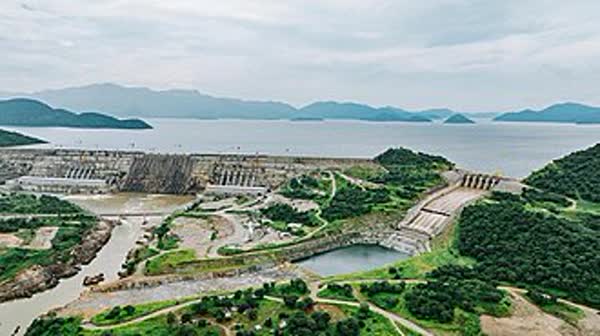
Africa's largest hydroelectric plant: 13 turbines on the Blue Nile, formally inaugurated on 9 September 2025 after a ~$5B self-financed build. Expected average output of ~15.7 TWh a year, anchoring East Africa's power trade via a 2,000 MW HVDC link to Kenya.
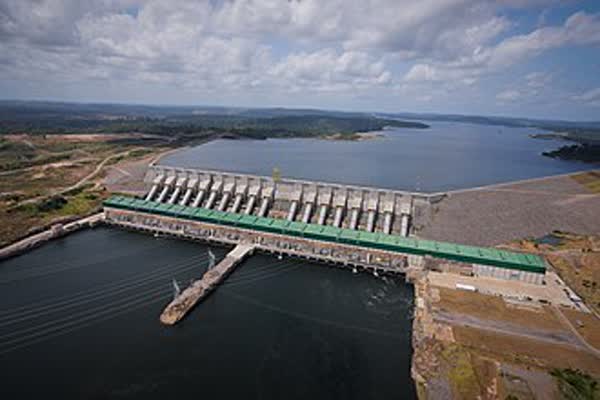
The largest hydroelectric complex in the Amazon: 11,233 MW across the Xingu River in Pará, completed in November 2019 — the fifth-largest power station in the world by capacity. Seasonal river flow means it averages about 40% of its nameplate rating.
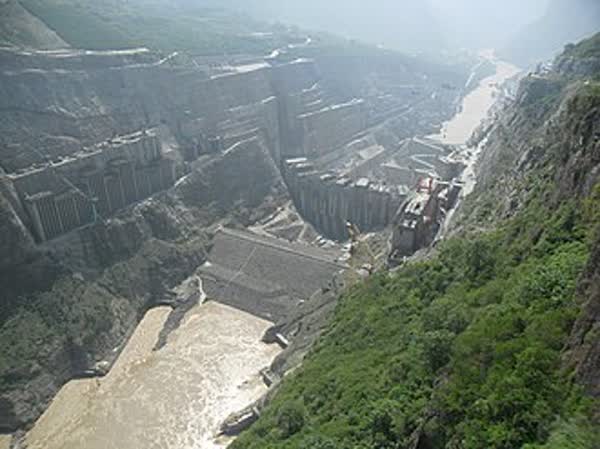
A 285.5-metre double-curvature arch dam — the third tallest of its kind on Earth — on the Jinsha River between Yunnan and Sichuan. Eighteen 770 MW Francis turbines in two underground power stations, in full service since 2014, with a $6.2B build cost.
Heat from the Earth's crust — the always-on renewable, drilled like oil.
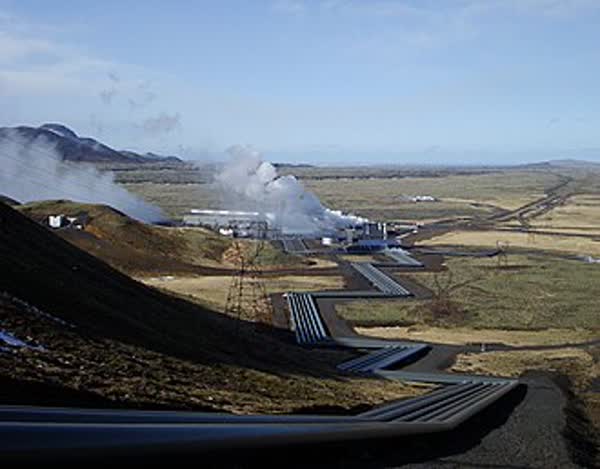
The eighth-largest geothermal plant in the world, on the volcanic Hengill ridge: 303 MW of electricity plus 200 MW of thermal output for Reykjavík's district heating. Its steam field also powers the Climeworks Mammoth direct-air-capture plant.
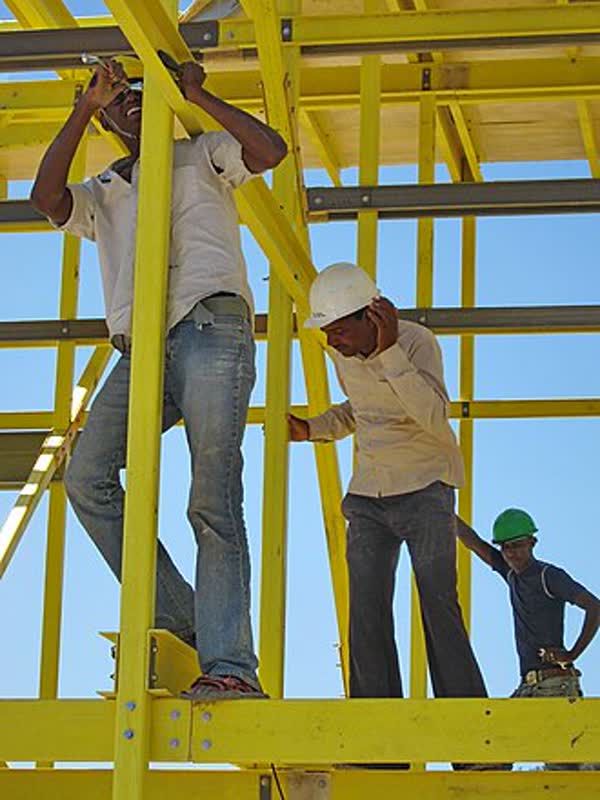
Africa's largest geothermal field, in the Rift Valley near Naivasha. KenGen's stations there total roughly 799 MW — the largest single-turbine geothermal plant shares the site — and Kenya now ranks seventh in the world for geothermal power, with thermal plants set for phase-out by 2035.
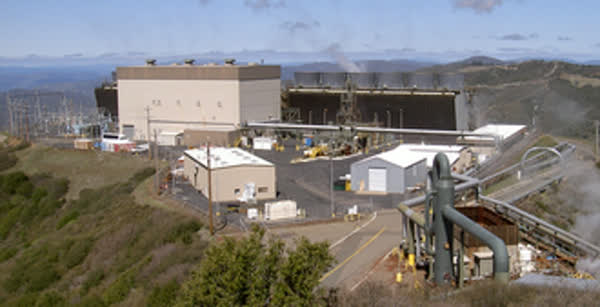
The world's largest developed geothermal field: 18 power stations across 29,000 acres of the Mayacamas Mountains, tapping superheated steam since 1960 — and still expanding, with 25 MW of new capacity completed in 2026. About a fifth of California's renewable electricity.
Water + renewable electricity → the fuel for steel, shipping and heavy industry.
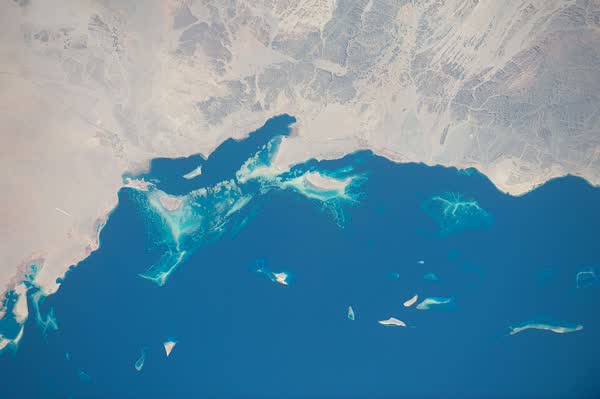
The world's largest utility-scale green hydrogen plant: an $8.4B complex at Oxagon with 2.2 GW of electrolysers fed by ~4 GW of dedicated solar and wind. It will make up to 600 tonnes of carbon-free hydrogen a day, converted into ~1.2M tonnes of green ammonia a year for export. Commissioning is underway; first exports targeted for 2027.

Europe's largest renewable-hydrogen project: a 2 GW electrolysis complex in Palos de la Frontera (Huelva), ultimately targeting up to 300,000 tonnes of green hydrogen a year for chemicals, steel, shipping and aviation. Phase one (300 MW, >€1B, construction started September 2026) begins operating in 2029.
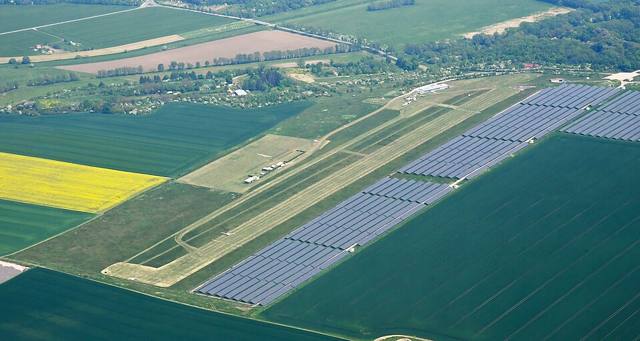
A BP-led consortium's plan for the Pilbara: 26 GW of solar and wind feeding 14 GW of electrolysers to make up to 1.6M tonnes of green hydrogen — or 9M tonnes of green ammonia — a year for export to Japan and Korea. If built, among the largest green-fuel plants ever proposed.
The grid's shock absorbers — gigawatt-hours of lithium soaking up midday solar.
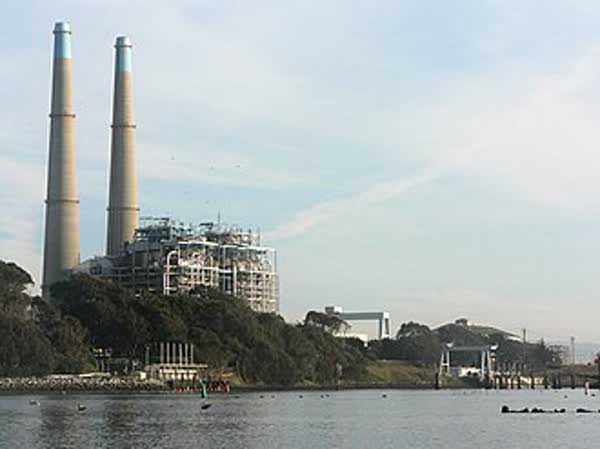
The largest lithium-ion battery storage system in the world, on the Monterey Bay coast. It banks excess California solar and wind and dispatches it into evening peak demand — a gas-plant-sized battery with zero smokestack.

The "Tesla Big Battery": when it switched on in December 2017 it was the largest lithium-ion battery in the world, built in roughly 100 days by Elon Musk's wager. It proved at grid scale that batteries stabilize frequency better than gas plants — and has since been expanded to 150 MW.
Pulling CO₂ out of smokestacks — and straight out of the sky.
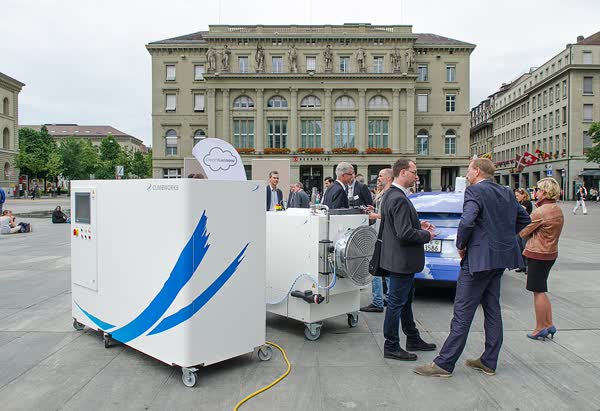
The world's largest direct-air-capture plant: Mammoth, switched on in May 2024, is ten times bigger than its predecessor Orca, with a nameplate capacity of 36,000 tonnes of CO₂ a year. Powered by Hellisheiði's geothermal steam; the captured carbon is mineralized into stone underground by Carbfix.
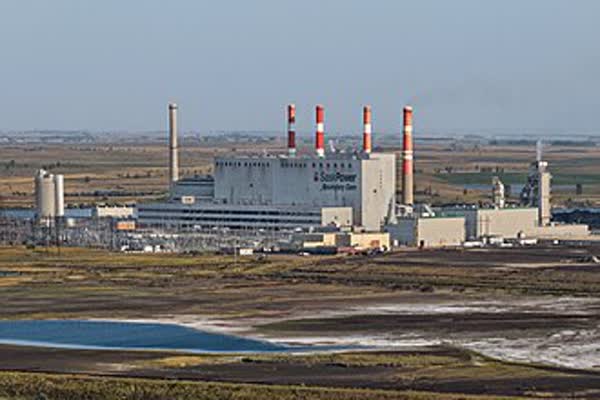
The world's first commercial-scale carbon-capture system on a coal plant, running at Estevan, Saskatchewan since 2014. The $1.4B retrofit captures CO₂ from flue gas and sells it for enhanced oil recovery — more than 7 million tonnes banked by August 2025.
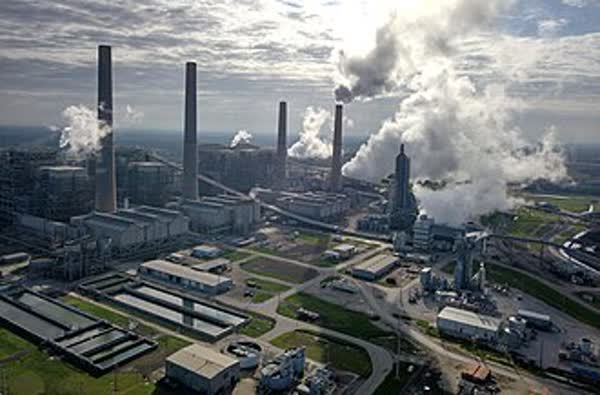
When it ran (2017–2020), the world's largest post-combustion carbon-capture plant, scrubbing CO₂ from a 240 MW coal unit in Thompsons, Texas and piping it to a Hilcorp oil field. Mothballed when oil prices crashed; owner JX Nippon has planned a restart as US tax incentives reprice the economics.
The unsung mega-projects: high-voltage cables that move continents' worth of clean power.
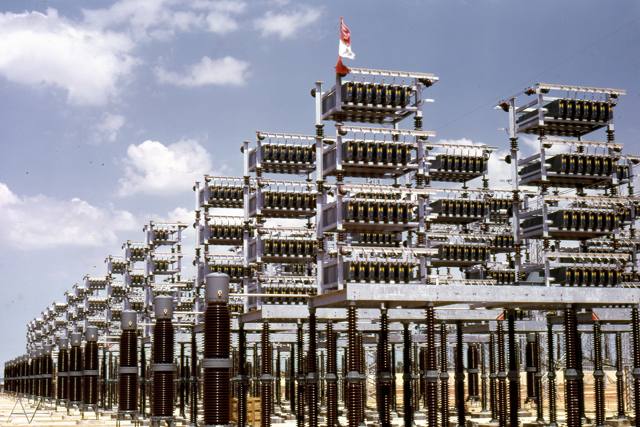
A 625 km HVDC "green cable" under the North Sea — 516 km of it subsea — operating since May 2021 at a cost of €1.7–1.8B. It pairs two perfect complements: German wind and solar flow north, Norwegian hydropower flows south when the wind dies. Enough capacity for ~3.6M German households.

The world's longest land-and-subsea power interconnector: 765 km from Lincolnshire to Jutland, energized in December 2023 for £1.7B. It links UK demand to Danish wind, with an estimated ~600,000 tonnes of CO₂ avoided in its first year of operation.
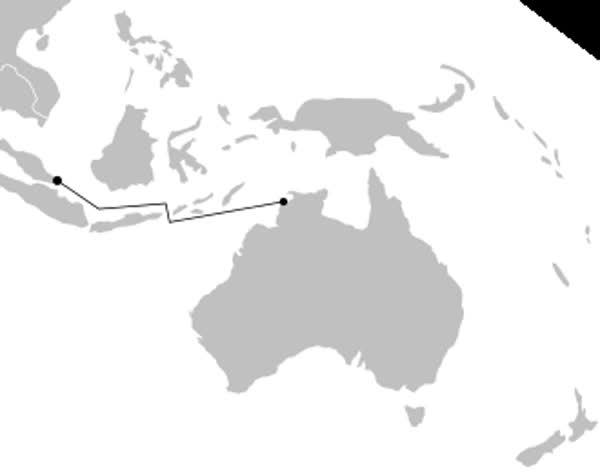
Sunshine as an export commodity: a 12,000-hectare solar farm in Australia's Northern Territory feeding Singapore through a 4,300 km subsea HVDC cable — the longest power link ever attempted — plus one of the world's biggest batteries. First power to Darwin targeted by 2030, Singapore a few years after; up to 15% of Singapore's electricity.
This atlas covers operating and in-construction mega-projects roughly over 500 MW (or category-significant, like direct-air-capture and green hydrogen, where the whole industry is still young). Projects are added as they verify: every capacity, cost and status figure comes from published sources, and where a number couldn't be confirmed, it's simply not printed. Planned projects are flagged as planned. The point stands: the clean-energy transition is not a roadmap — it is already under construction.