
144 of the planet's most threatened animals — what's pushing each one under, and the real programs pulling them back. Honest numbers, no doom without the work.
The full IUCN Red List tracks 40,000+ threatened species — too many for one page. So this is the flagship roll call: the animals whose stories carry the whole crisis, with the latest population figures and the actual conservation programs in the field right now. Filter by status, or browse by group.
44 species — from the vaquita's last dozen to the tiger's slow climb back.
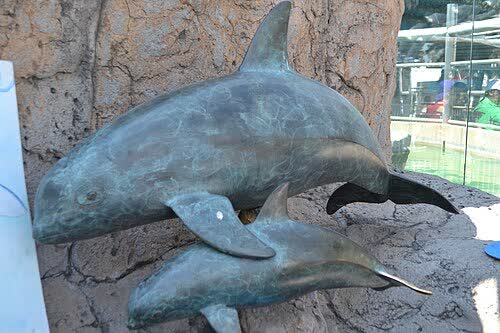
The world's rarest marine mammal. Mexico's zero-tolerance refuge and gillnet ban exist on paper, but illegal totoaba nets keep drowning them; acoustic monitoring in 2024 still found calves, so hope isn't gone yet.
Track the effort →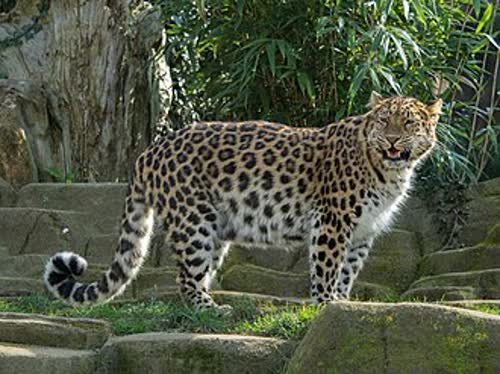
Up from ~30 in 2007 thanks to Russia's Land of the Leopard park and China's new Tiger-Leopard park. Camera traps track nearly every individual — inbreeding is now the worry, not just poaching.
Track the effort →
One population, one park (Ujung Kulon, Indonesia). Rhino protection units patrol around the clock, and a new habitat expansion area aims to seed a second population — the species' only insurance policy.
Track the effort →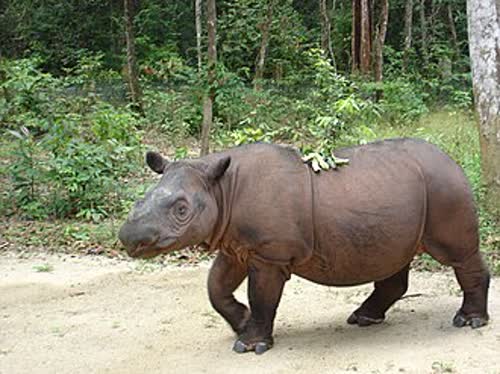
Scattered across Sumatra and Borneo in fragments too small to breed naturally. The Sumatran Rhino Sanctuary's captive breeding plus biobanked cells and IVF research is now the main hope.
Track the effort →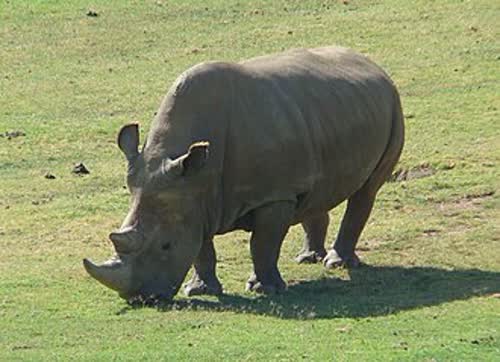
Najin and Fatu, two females in Kenya, are all that remain. The BioRescue consortium has created 30+ embryos via IVF for implantation into southern white surrogates — the first attempt to resurrect a mammal this way.
Track the effort →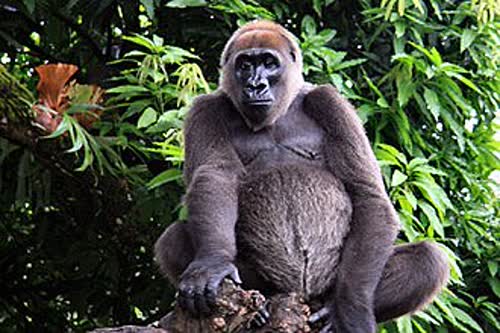
Africa's rarest ape, in the Nigeria–Cameroon border forests. Community ranger programs and camera traps keep finding new groups — the population may be slightly larger than feared, but snares remain deadly.
Track the effort →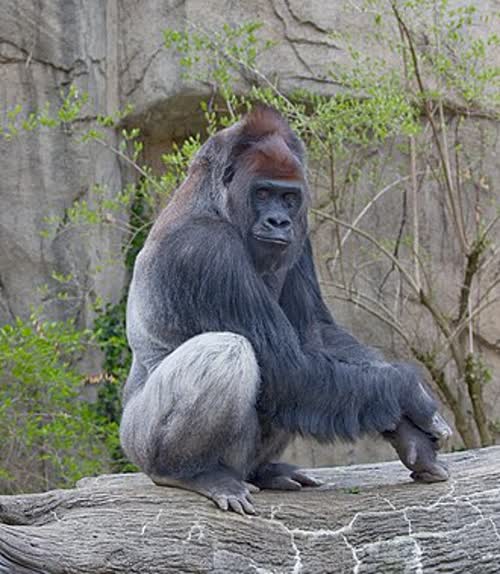
Ebola wiped out a third of them in the 2000s; poaching and logging take the rest. Congo Basin anti-poaching patrols and protected areas are holding some strongholds, but the trend is still down.
Track the effort →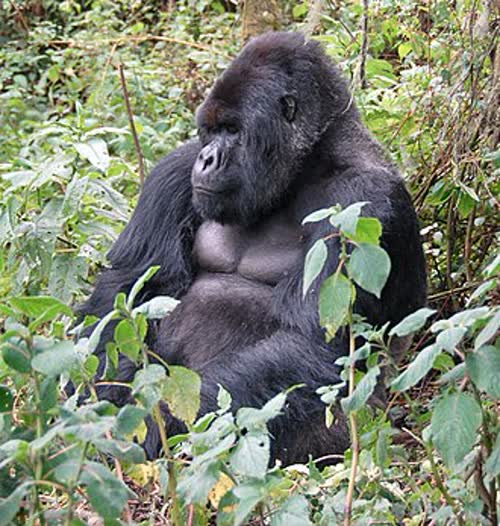
The famous rebound: from 254 in 1981, daily veterinary interventions, strict tourism, and revenue-sharing with local communities rebuilt the population. The only great ape increasing in the wild.
Track the effort →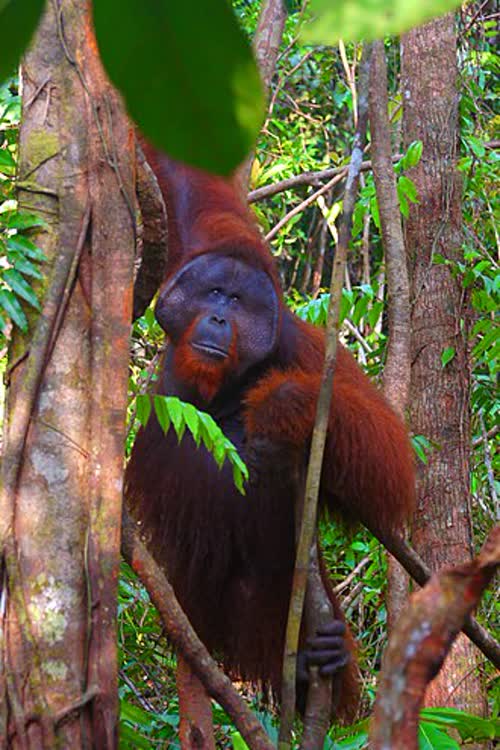
Rescue and rehab centers (Sepilok, Nyaru Menteng) return hundreds to the wild, and certified sustainable palm oil is slowing deforestation — but fires and fragmentation keep the pressure on.
Track the effort →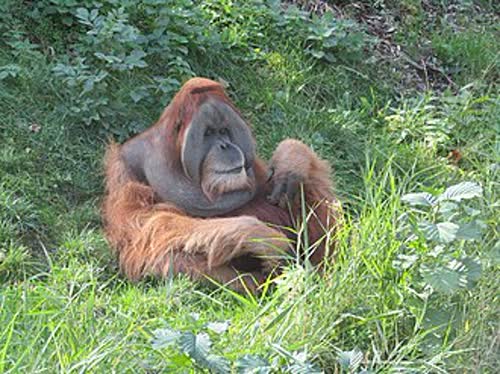
Concentrated in the Leuser Ecosystem. Reforestation corridors are reconnecting fragments, and ranger patrols defend the last intact stronghold against encroachment.
Track the effort →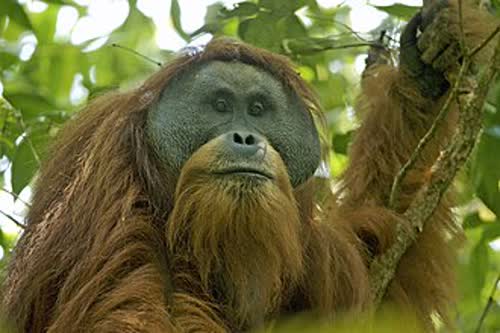
Described as a new species only in 2017 — and already the rarest great ape. The proposed Batang Toru dam would flood its core habitat; stopping it is the whole ballgame.
Track the effort →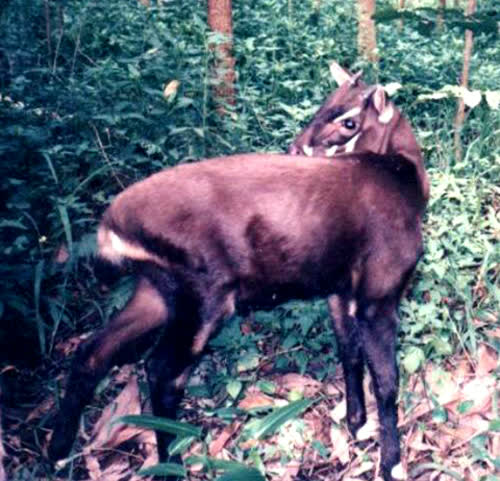
No scientist has ever seen one in the wild. Snare-removal patrols sweep the Annamite mountains, eDNA surveys hunt for traces, and Vietnam is planning a captive breeding center.
Track the effort →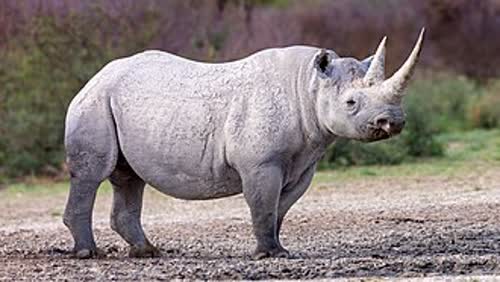
Up from ~2,400 in the 1990s — one of conservation's real wins, built on armed anti-poaching units and translocations to safe strongholds. Poaching syndicates remain the top threat.
Track the effort →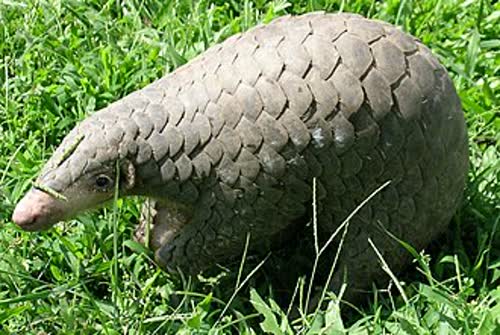
The world's most trafficked mammal. All pangolins hit CITES Appendix I in 2016 and China raised them to top protection tier in 2020; seizures continue but demand is finally being squeezed.
Track the effort →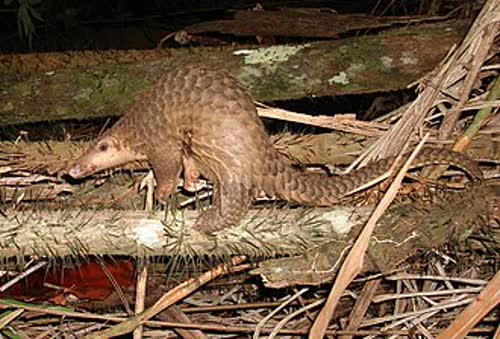
Southeast Asia's rescue centers (like Save Vietnam's Wildlife) rehabilitate seized animals by the hundreds, but scale trafficking keeps emptying forests faster than releases refill them.
Track the effort →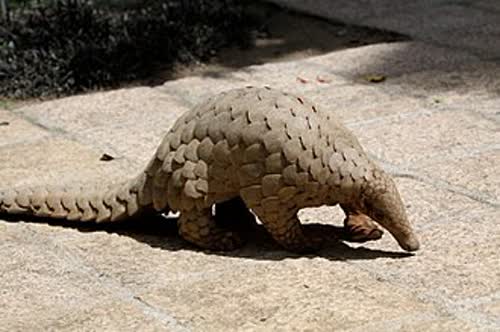
Poached for scales and meat across the subcontinent. India's rehabilitation centers release rescued animals, but enforcement in rural trafficking routes lags.
Track the effort →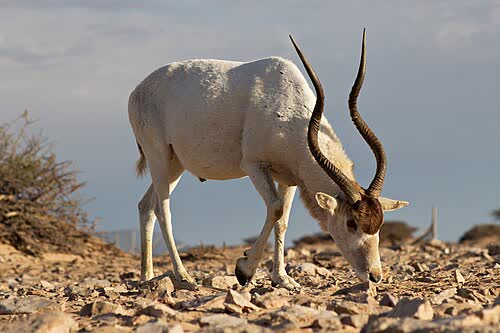
The Sahara's desert antelope, nearly gone. Reintroduction into Chad's Ouadi Rimé-Ouadi Achim reserve from captive herds is underway — oil exploration inside the habitat is the looming threat.
Track the effort →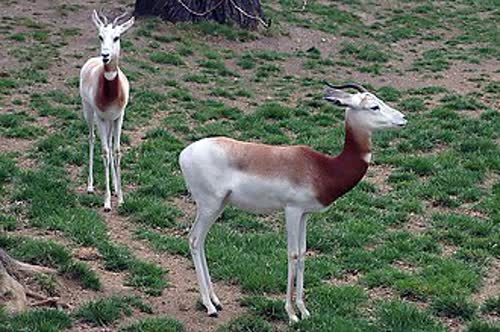
Reintroductions in Chad are slowly rebuilding wild herds, supplied by captive breeding in Europe and Morocco. Uncontrolled hunting remains the historic killer.
Track the effort →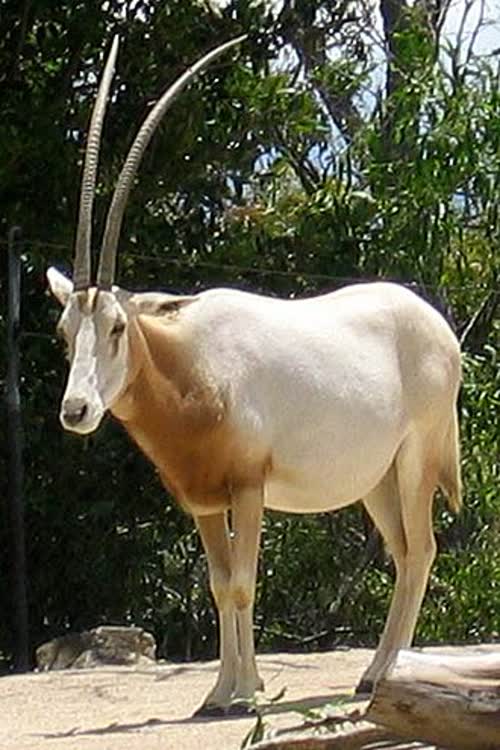
Extinct in the wild by 2000 — then reintroduced to Chad starting 2016. Now breeding in the wild: the first large mammal ever brought back from "extinct in the wild."
Track the effort →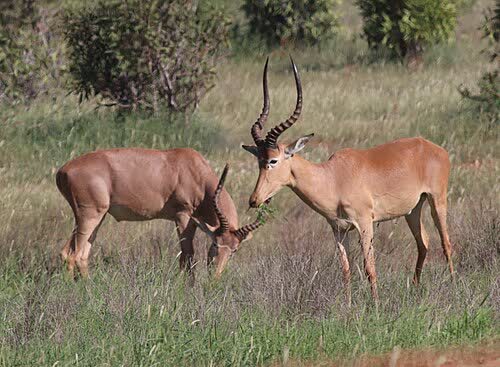
The world's rarest antelope, on the Kenya–Somalia border. Community conservancies run predator-proof sanctuaries; severe drought is the current crisis.
Track the effort →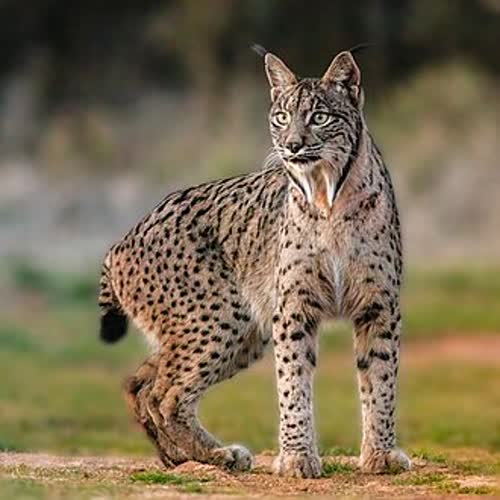
Downlisted from Endangered in 2024 — the comeback blueprint. Captive breeding plus wild rabbit recovery rebuilt the population tenfold since 2002.
Track the effort →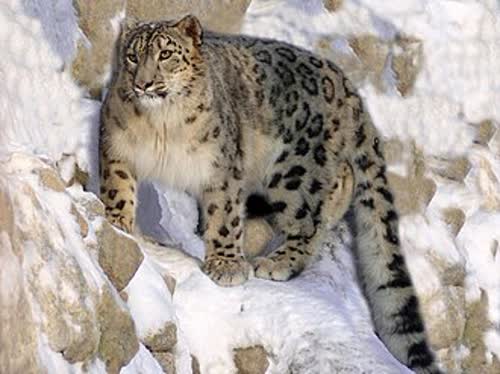
Livestock insurance and predator-proof corrals across 12 range countries are defusing herder conflict. A new range-wide assessment is updating the numbers.
Track the effort →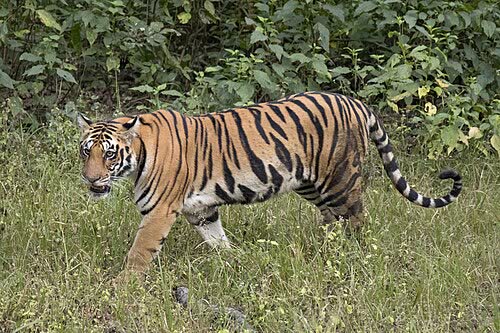
The Tx2 doubling goal fell short globally, but India (~3,680) and Nepal (nearly tripled) prove it works where protection is funded. Southeast Asia's tigers are the crisis point now.
Track the effort →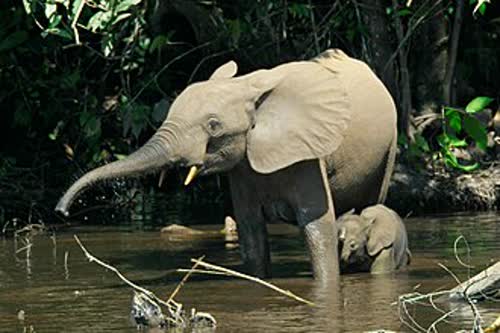
Recognized as a separate species in 2021 — and immediately listed Critically Endangered after an 86% crash over 31 years. Congo Basin anti-poaching is the whole game.
Track the effort →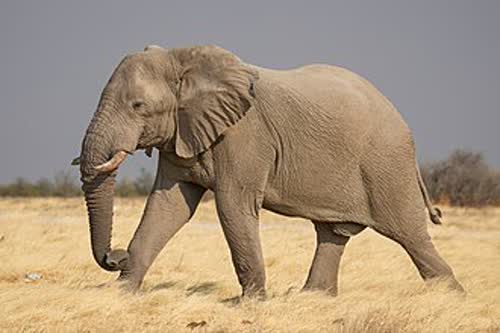
Ivory poaching is down from its 2011 peak, and Botswana and Zimbabwe hold strong populations — but poaching and human conflict still kill thousands yearly.
Track the effort →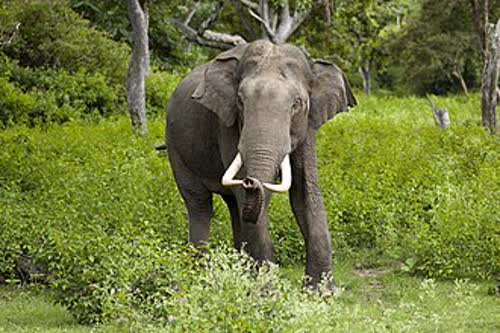
Human-elephant conflict is now the main killer. Corridor protection, early-warning fences, and rapid response teams in India and Sri Lanka are cutting retaliatory deaths.
Track the effort →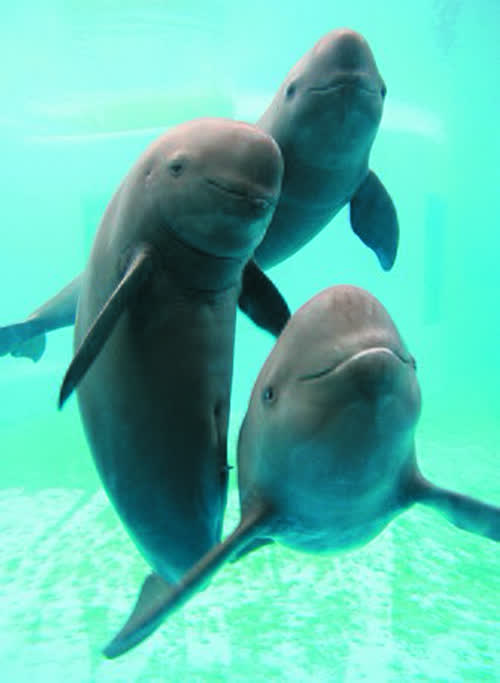
China's 10-year Yangtze fishing ban plus ex-situ reserves have stabilized the population — the first increase in decades. The baiji's extinction taught China what losing this one would mean.
Track the effort →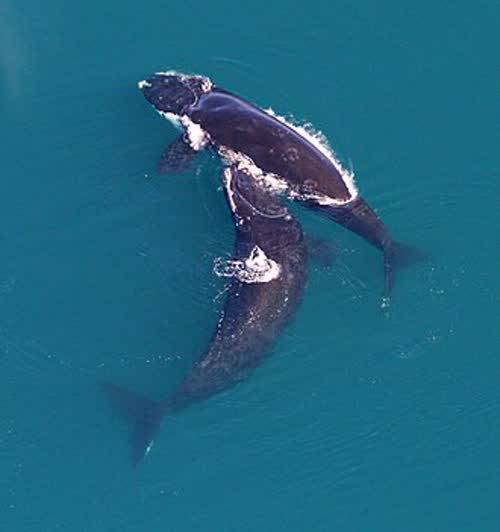
Entanglement and ship strikes kill them faster than they breed. Ropeless fishing gear trials and dynamic vessel speed zones in US and Canadian waters are the current push.
Track the effort →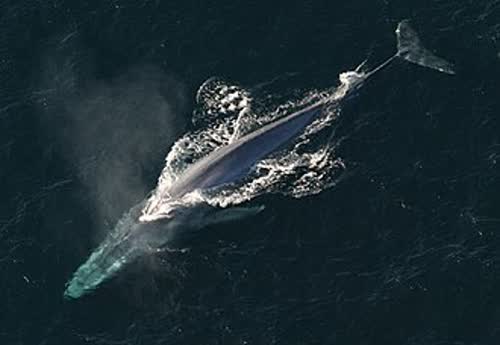
Recovering since the 1966 whaling ban. Ship strikes and krill shifts from warming seas are today's threats; satellite tagging is guiding new shipping-lane protections.
Track the effort →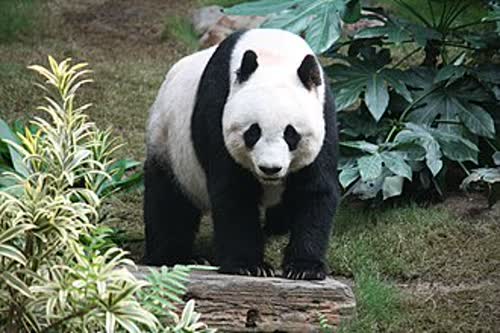
Downlisted in 2016; the 2021 Giant Panda National Park links 67 reserves, and bamboo corridor planting continues. The classic proof that sustained funding works.
Track the effort →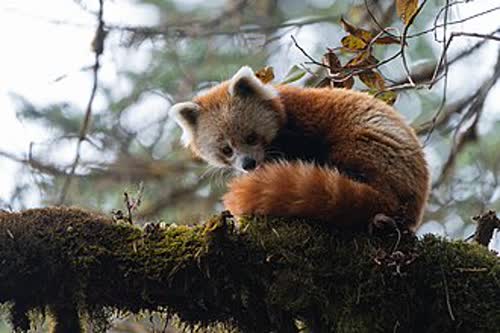
Nepal's community "forest guardian" program pays locals to monitor red pandas — a model spreading across the Himalayas. Habitat fragmentation remains the main threat.
Track the effort →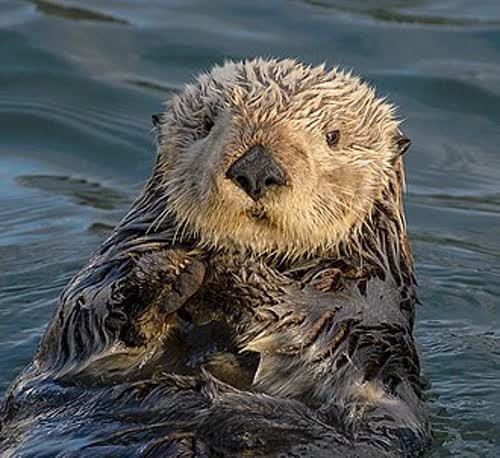
Southern sea otters are slowly recolonizing California, and kelp forests recover in their wake. Shark-bite mortality is rising as a new pressure.
Track the effort →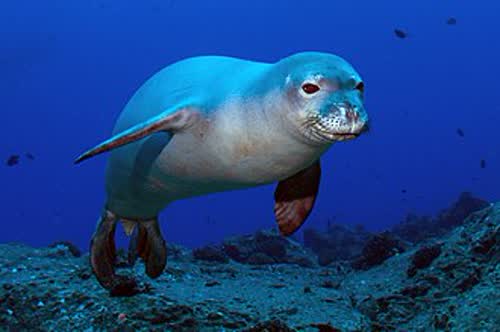
Rising ~2% a year thanks to disentanglement teams, pup translocations, and vaccination programs. Still one of the world's rarest seals.
Track the effort →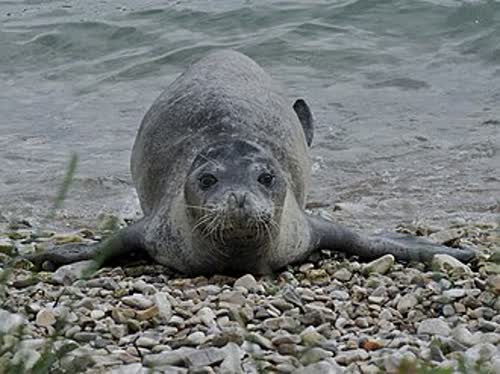
Recovering in Greece and Turkey through marine cave protection and the MOm rescue center. Once the world's rarest pinniped; now slowly climbing.
Track the effort →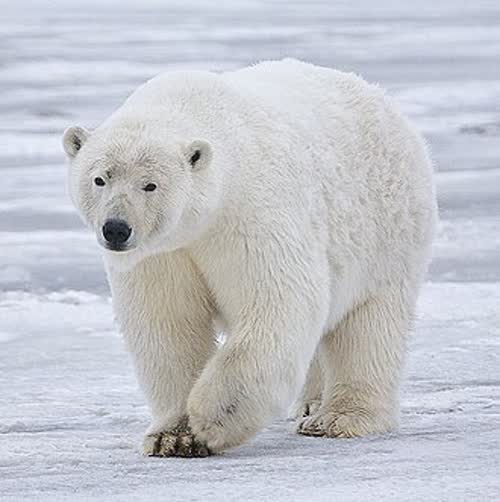
Nineteen subpopulations face the long grind of sea-ice loss. Conflict patrols and attractant management (Churchill's "polar bear jail" model) handle the short term.
Track the effort →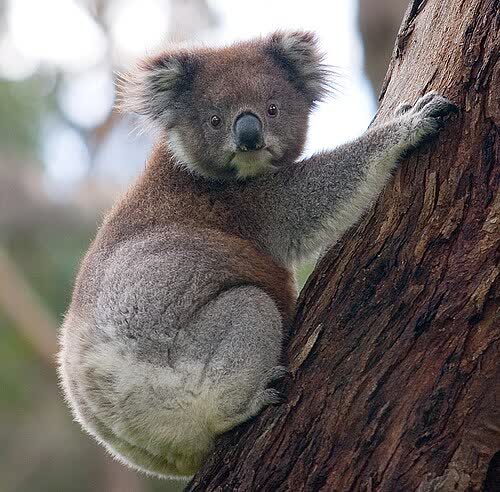
The 2019–20 fires killed thousands; eastern states were uplisted to Endangered in 2022. Habitat corridors plus chlamydia vaccine trials are the current front.
Track the effort →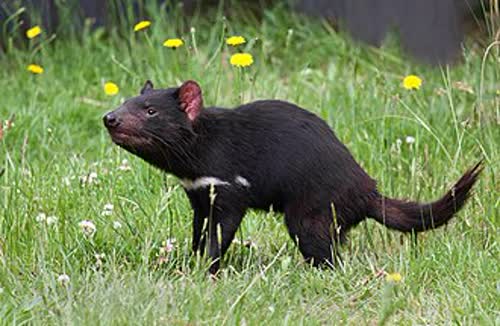
Devil facial tumor disease crashed the population. Insurance populations on Maria Island and releases of disease-free devils are rebuilding wild numbers.
Track the effort →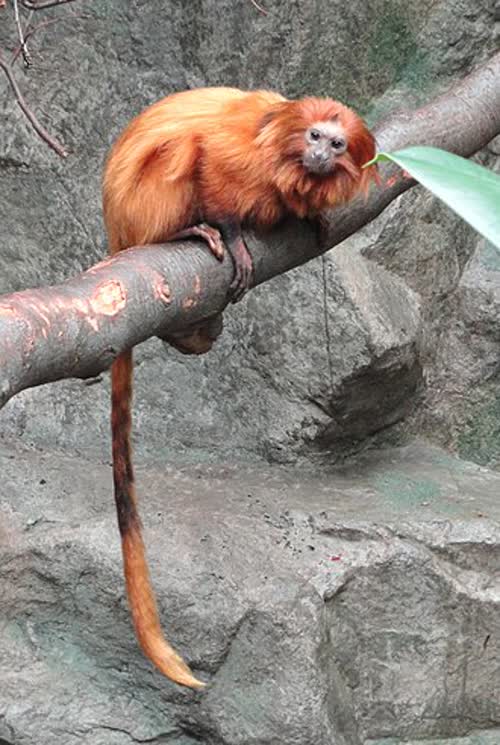
Reforestation corridors in Brazil's Atlantic Forest lifted them from ~200. A 2018 yellow fever outbreak showed how fragile the recovery is — vaccination of wild tamarins is now routine.
Track the effort →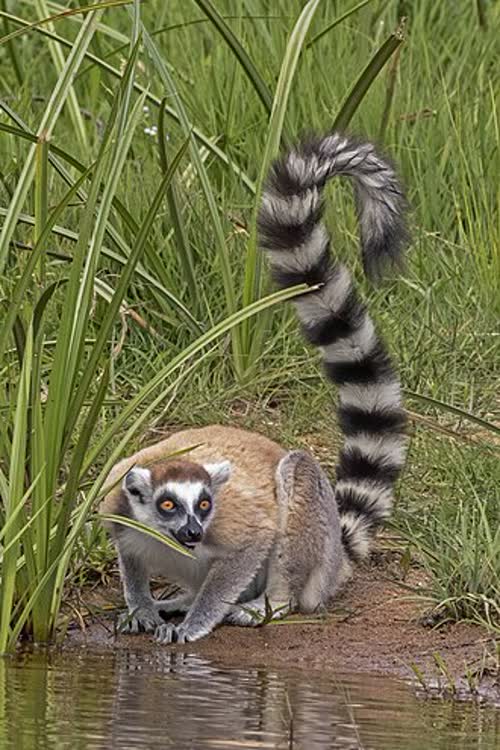
Madagascar's flagship, down 95% since 2000. Community-managed reserves like Anja plus reforestation are the bright spots; the pet trade keeps taking animals.
Track the effort →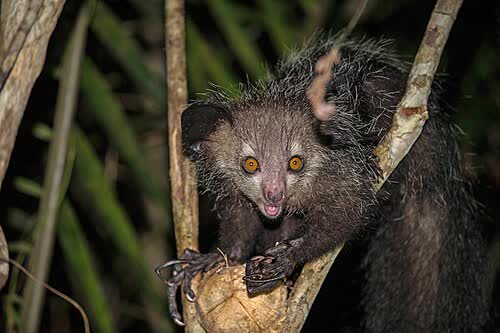
Persecuted by superstition — many Malagasy consider it a harbinger of death. Rescue and relocation plus nocturnal tourism programs are slowly changing its fortunes.
Track the effort →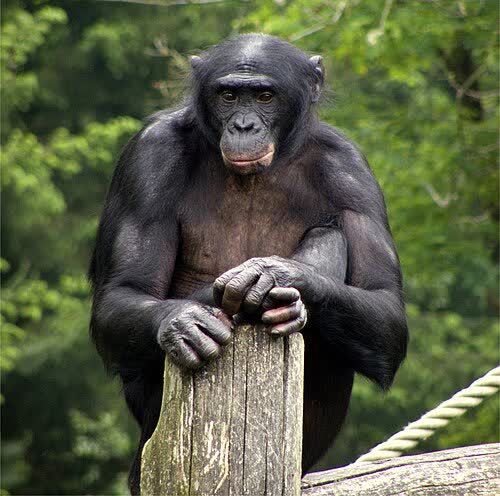
Congo's "forgotten ape." The community-based Bonobo Peace Forest network protects habitat village by village; bushmeat and logging continue to press.
Track the effort →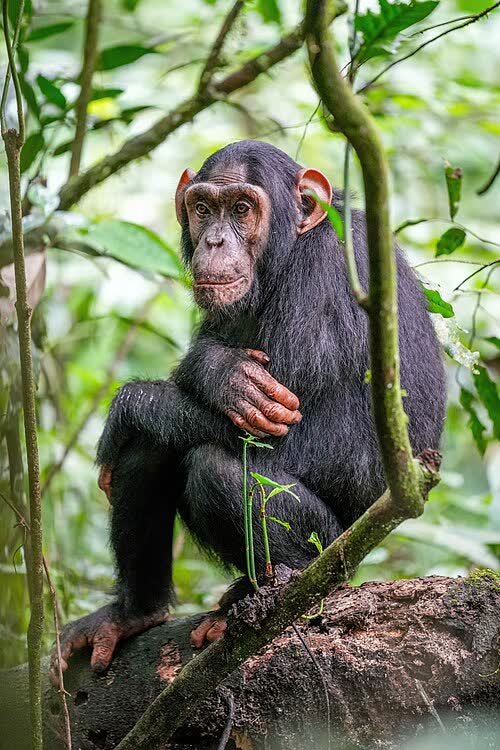
Ebola, habitat loss, and the pet trade. The western subspecies is Critically Endangered; sanctuary networks and forest corridors span West and Central Africa.
Track the effort →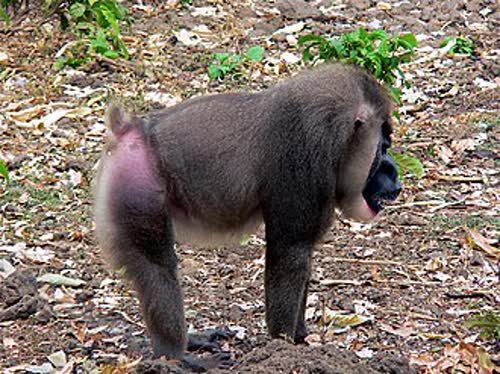
Africa's most endangered monkey, hunted for bushmeat in Nigeria and Cameroon. The Drill Ranch captive breeding program in Nigeria is reintroducing animals to protected forest.
Track the effort →
Lives only on one tiny Panamanian island, Escudo de Veraguas. Mangrove protection is everything — the entire species fits inside a few square kilometers.
Track the effort →31 species — condors climbing back, albatrosses still dying on hooks.
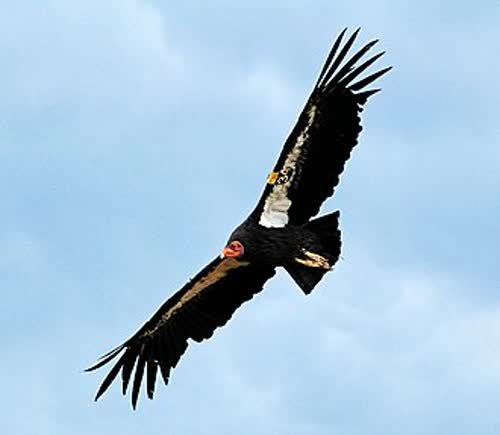
From 27 birds in 1987 — all captured — to hundreds flying free. Lead ammunition bans are now the key: condors still die eating lead-shot carcasses, so California's statewide ban was the turning point.
Track the effort →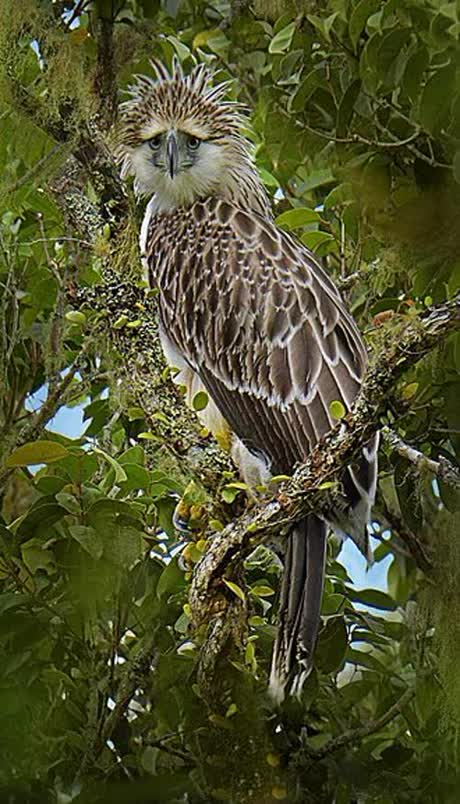
One of the world's largest eagles, losing forest fast. Nest guarding by local communities plus captive breeding at the Philippine Eagle Center are holding the line.
Track the effort →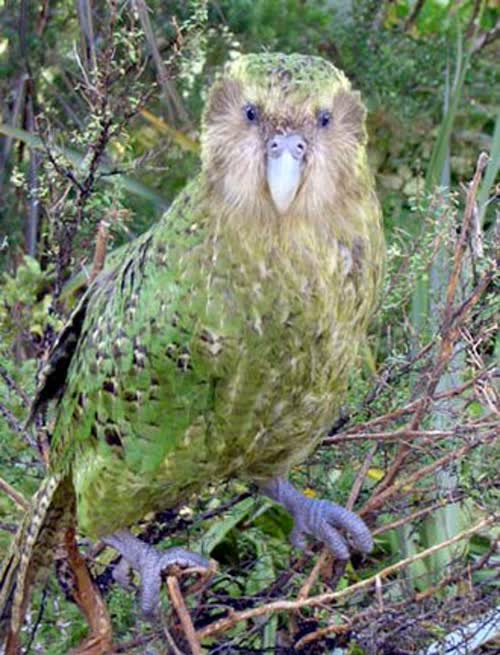
The flightless New Zealand parrot, managed bird-by-bird on predator-free islands — every nest has a transmitter and a ranger. Aspergillosis outbreaks remain the wildcard.
Track the effort →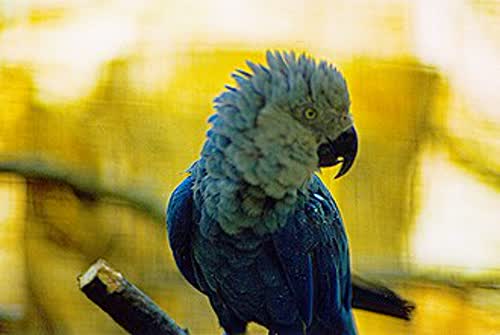
Extinct in the wild since 2000; reintroduced to Brazil's Caatinga in 2022 from captive stock. Drought and habitat quality in the release area are the current worries.
Track the effort →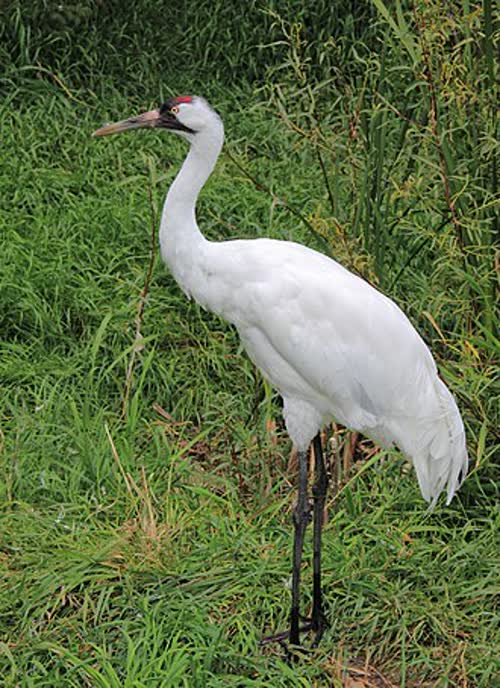
From 21 birds. Captive breeding plus ultralight-aircraft-led migrations built a second migratory flock — one of the most hands-on recoveries ever attempted.
Track the effort →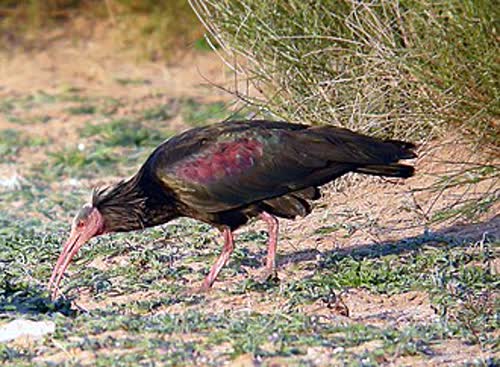
Morocco's wild colony is growing, and Europe's reintroduced birds follow human microlights on migration. Powerline collisions are the main killer now.
Track the effort →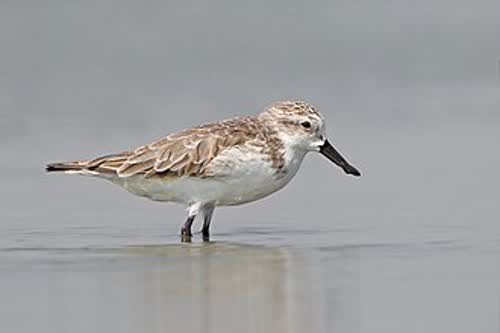
"Headstarting" chicks in Chukotka, Russia dramatically boosts fledging rates. The driver is intertidal habitat loss along the East Asian flyway.
Track the effort →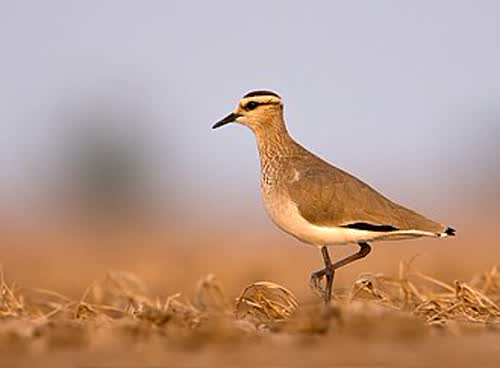
Satellite tracking revealed hunting pressure on migration through Central Asia. Kazakhstan and Syria flyway protection is ramping up.
Track the effort →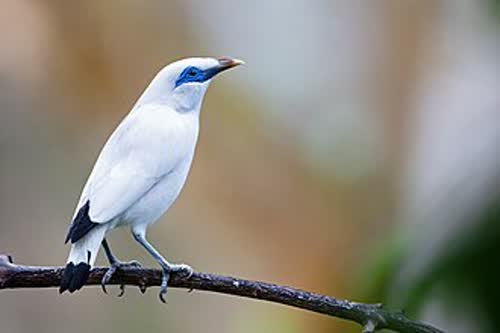
Nearly trapped out for the cage-bird trade. Release programs in Bali Barat National Park plus community wardens are rebuilding a wild population.
Track the effort →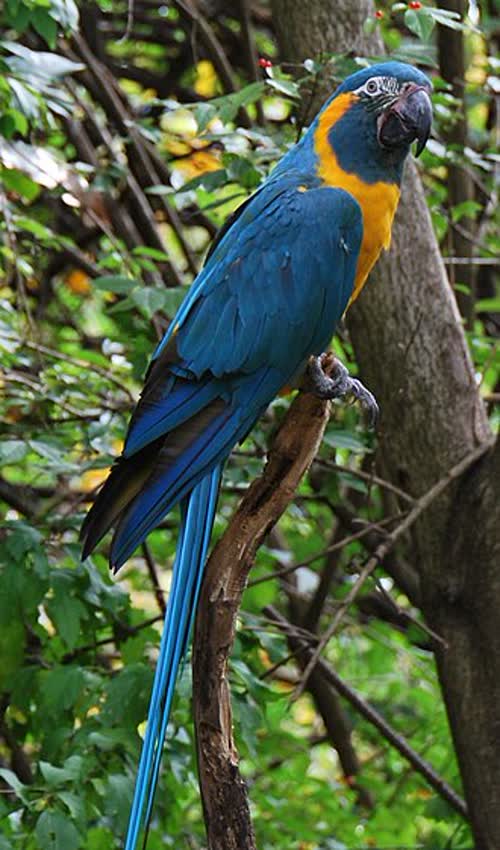
Bolivia's Beni savanna macaw. A nest-box program tripled known nests, and cattle-ranch partnerships protect the palms they depend on.
Track the effort →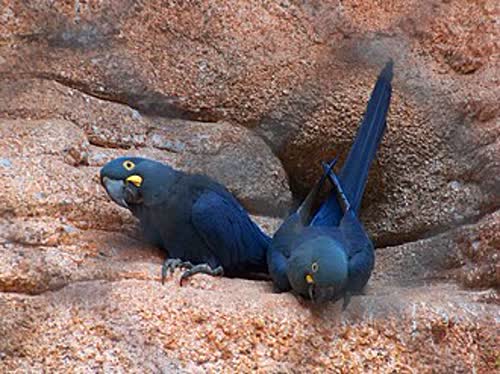
Up from ~140 in the 1980s through nest protection in Brazil's Caatinga — a genuine parrot comeback story still in progress.
Track the effort →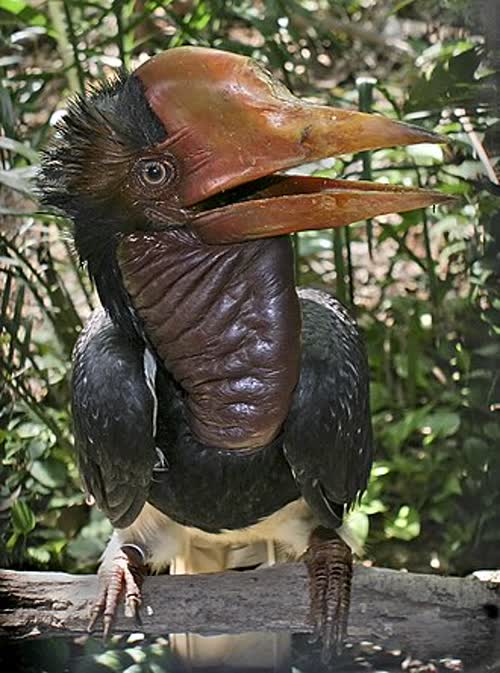
Poached for its casque — "hornbill ivory." Indonesia and Malaysia have stepped up enforcement, and nest-adoption programs fund local guardians.
Track the effort →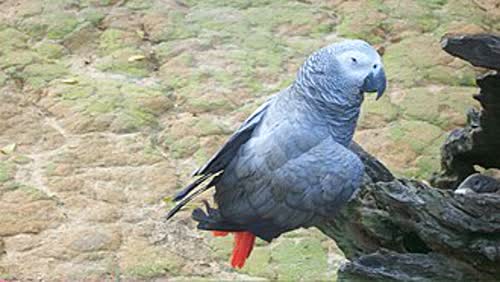
Trapped relentlessly for the pet trade. CITES Appendix I listing in 2016 slowed legal trade; community nest monitoring in the Congo Basin fights the illegal side.
Track the effort →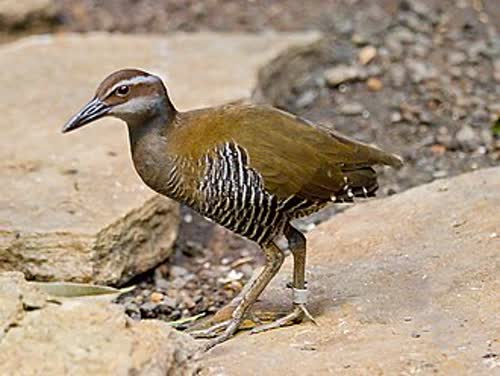
Wiped out by the brown tree snake. Reintroduced to snake-free Cocos Island in 2019 — and breeding. The second bird ever downlisted from Extinct in the Wild.
Track the effort →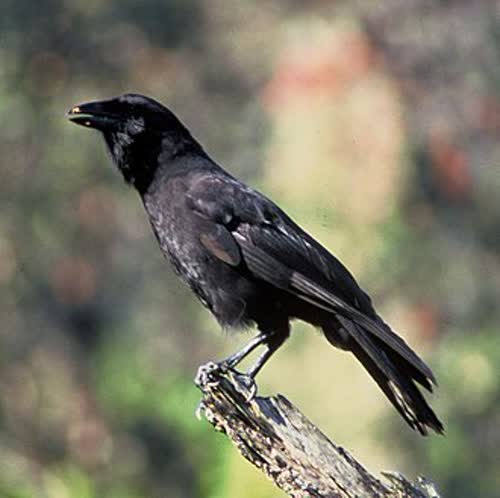
Extinct in the wild since 2002. Releases on Maui continue, with predator-aversion training to prepare captive birds for the 'io (Hawaiian hawk).
Track the effort →
Thought extinct until rediscovered in 2006. Captive breeding plus wetland restoration at Lake Sofia are building a second wild population.
Track the effort →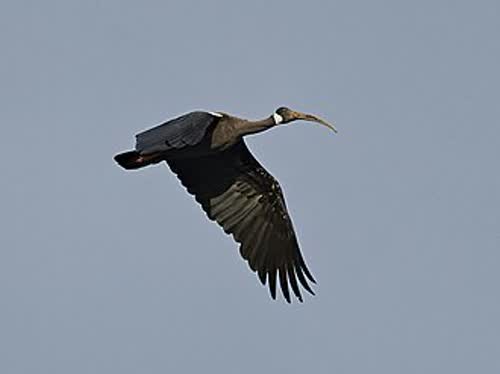
Cambodia's dry-forest ibis. Paying locals to protect nests works — the model now covers most of the global population.
Track the effort →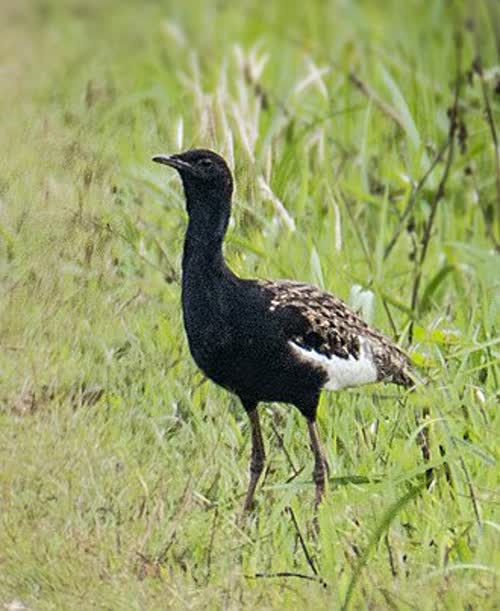
A grassland bustard down to tiny fragments in Cambodia and India. Grassland protection — not forest — is the conservation battleground.
Track the effort →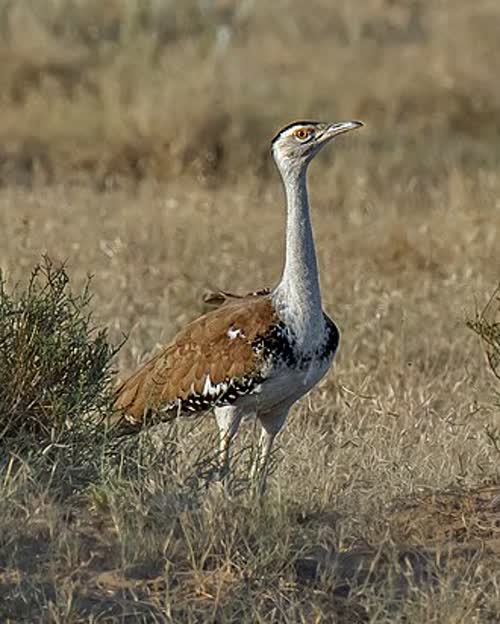
India's heaviest flying bird, colliding with powerlines. A captive breeding center in Rajasthan plus line diverters across its range are the current push.
Track the effort →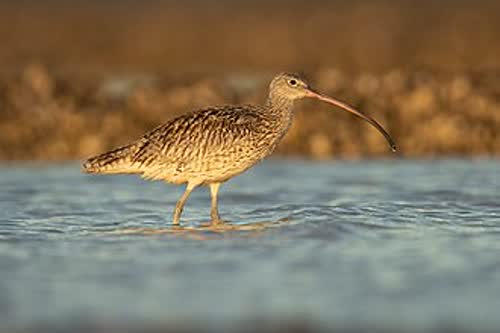
The world's largest shorebird, losing Yellow Sea tidal flats. Australia–Russia shorebird agreements and hunting bans are slowly tightening protection.
Track the effort →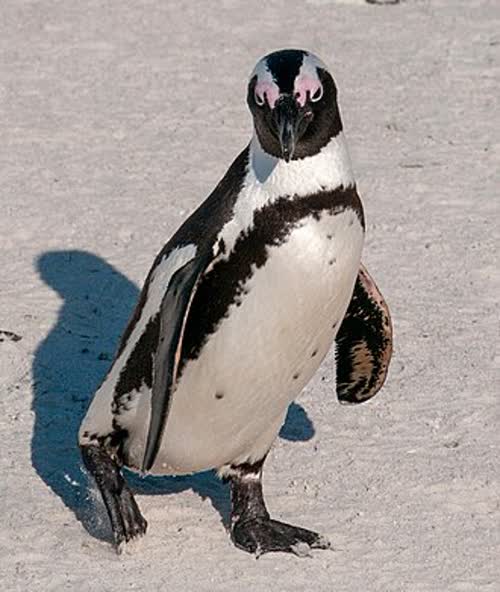
Uplisted in 2024 after sardine stocks collapsed. South Africa is testing no-take fishing zones around breeding colonies — the first real attempt to feed them.
Track the effort →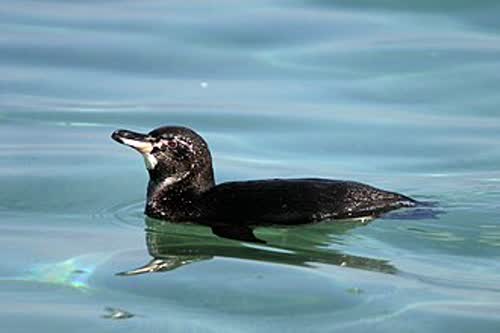
The only equatorial penguin. El Niño events crash numbers; marine reserve protections and nest-site shading trials help them ride out hot years.
Track the effort →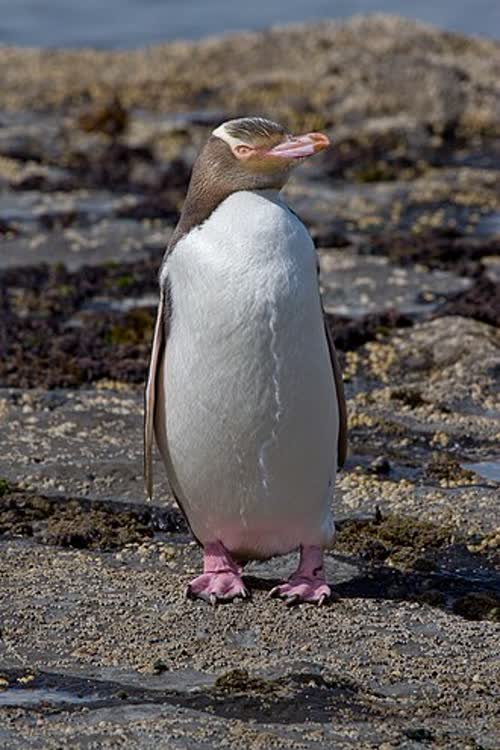
New Zealand's rarest penguin. Marine protection and predator control help, but disease outbreaks and warming seas are new threats on top of old ones.
Track the effort →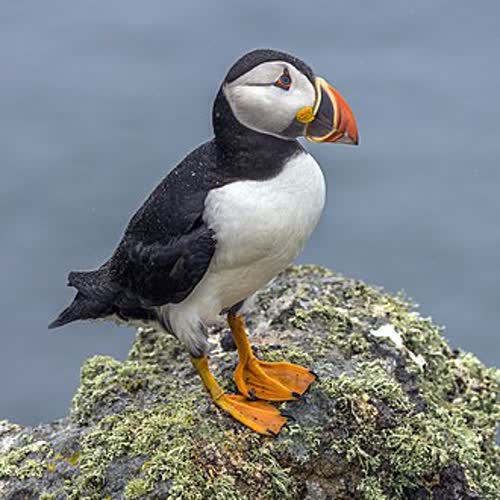
Warming seas are shifting their prey. Iceland and Norway colonies are closely monitored; some are stabilizing as birds adapt foraging.
Track the effort →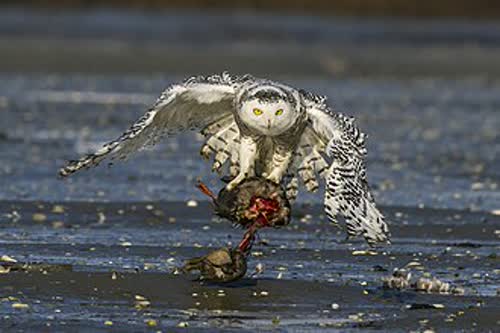
Listed Vulnerable in 2017 as lemming cycles — their food pulse — destabilize. Satellite tracking across the Arctic is mapping where protection matters.
Track the effort →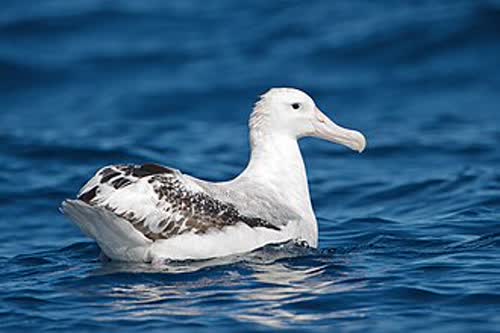
The bird with the largest wingspan on Earth, killed by longline hooks. The ACAP agreement and streamer lines on vessels are cutting bycatch deaths.
Track the effort →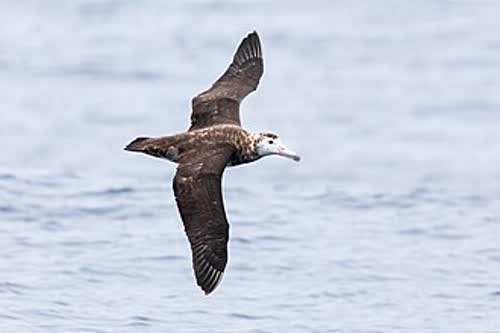
Breeds on a single Indian Ocean island. Longline bycatch mitigation and the eradication of feral cattle from the island are the twin wins.
Track the effort →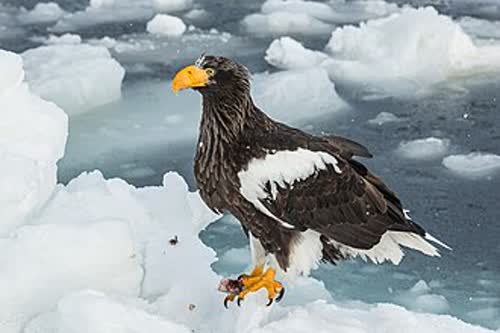
The massive Kamchatka eagle. Salmon declines and lead poisoning from shot are the threats; Russia–Japan wintering ground protections help.
Track the effort →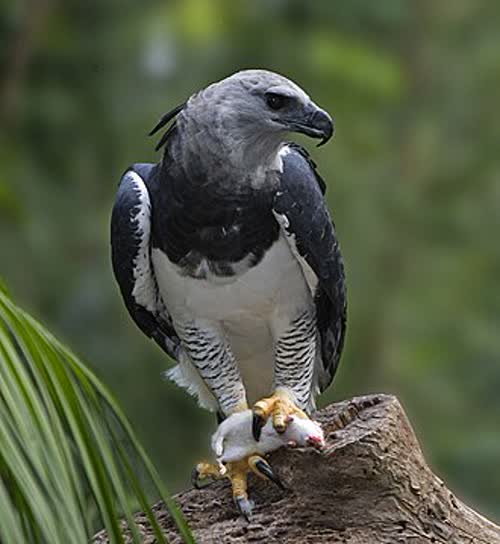
The rainforest's apex bird, losing ground to fragmentation. Panama's Harpy Eagle Project and nest-sponsorship programs fund local protection.
Track the effort →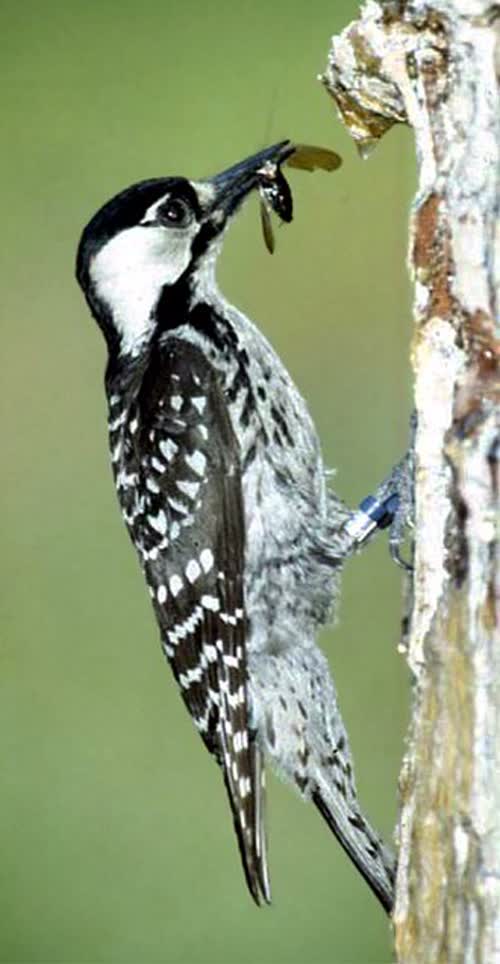
Downlisted in 2024 after decades of prescribed burns and artificial cavities — much of it on military lands. Fire ecology works.
Track the effort →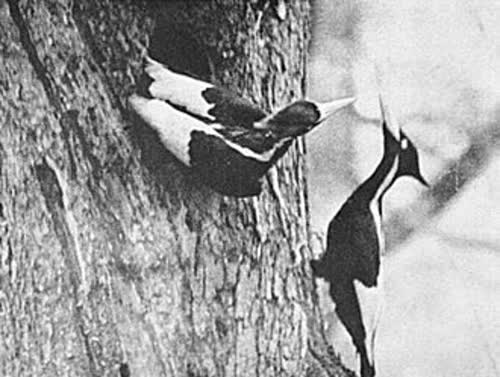
The "Lord God bird." Unconfirmed reports keep hope alive; either way, protecting bottomland hardwood forest is the bet. Declared extinct by USFWS, still listed CR by IUCN.
Track the effort →20 species — sea turtles, crocodilians, and island tortoises on the edge.
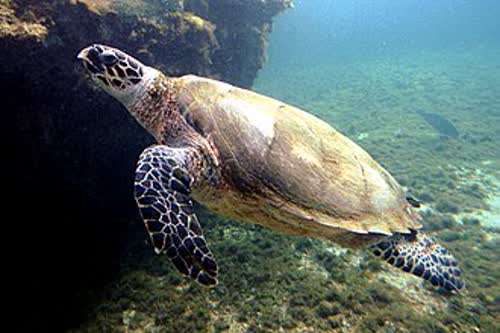
Hunted for "tortoiseshell" for centuries. Beach protection and satellite tracking across the tropics are working, but the shell trade persists underground.
Track the effort →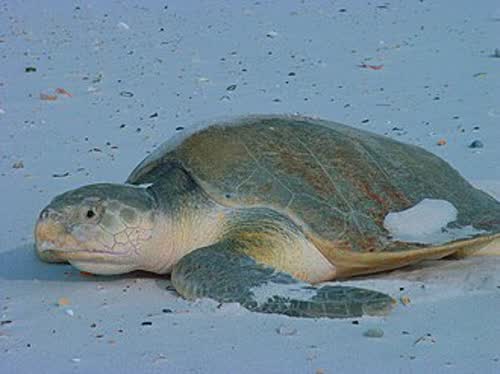
The 2010 Deepwater Horizon spill set back the Gulf recovery. Turtle excluder devices and nest corrals in Texas and Mexico rebuilt numbers before — they can again.
Track the effort →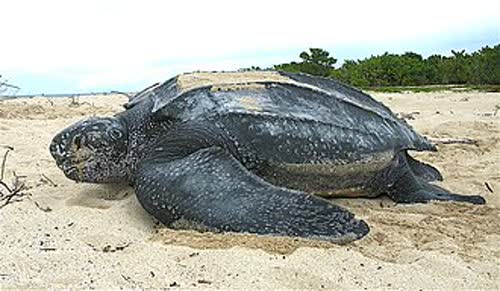
Pacific populations are down 90%+. Egg-harvest bans and bycatch reduction are the levers; Atlantic populations are doing notably better.
Track the effort →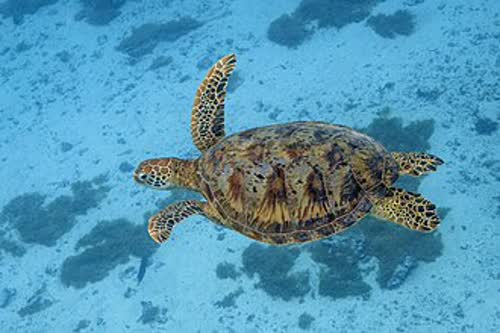
Nest protection is working — Hawaii and Costa Rica show strong increases. Fibropapillomatosis disease and plastic ingestion are the rising threats.
Track the effort →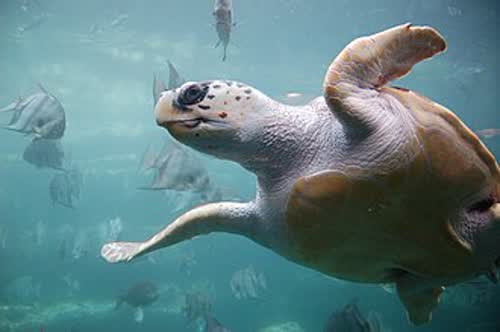
Circle hooks and turtle excluder devices are cutting bycatch deaths. Mediterranean and Atlantic trends are mixed — some beaches up, some down.
Track the effort →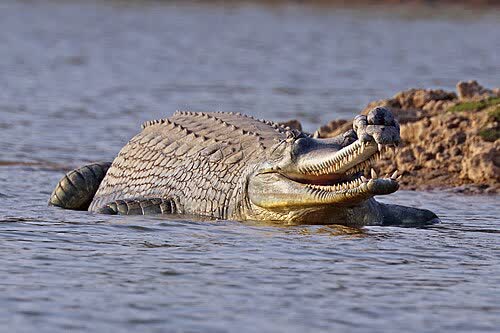
Headstarting — rear and release — tripled numbers since 2007 in India and Nepal. Sand-mining of nesting riverbanks is now the main threat.
Track the effort →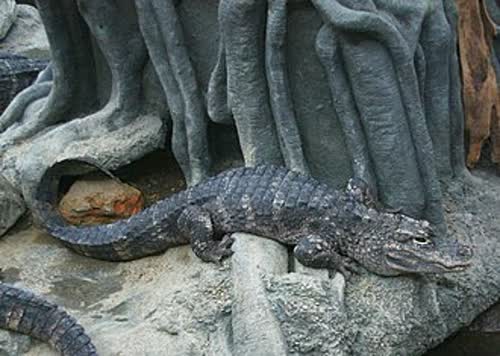
The most endangered crocodilian. Captive-bred animals are being reintroduced into Anhui wetlands; every wild nest is guarded.
Track the effort →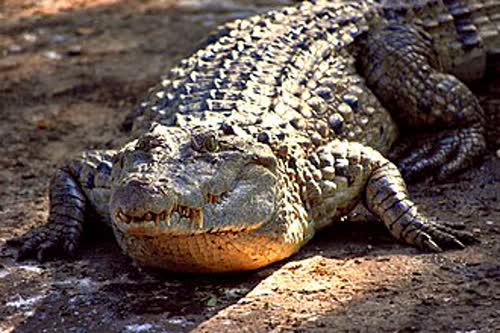
Community "crocodile wardens" in the Philippines turned former hunters into protectors. Freshwater wetland loss continues around them.
Track the effort →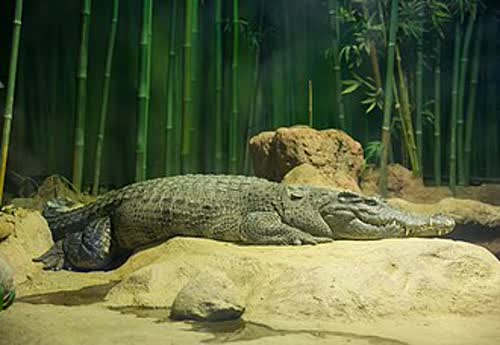
Reintroductions in Cambodia's Cardamom Mountains from farm stock are rebuilding wild numbers. Hybridization with released farm crocs is a concern.
Track the effort →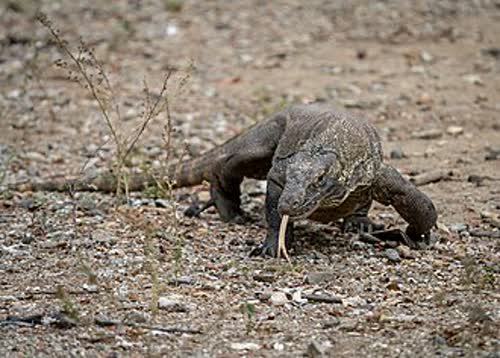
Protected in Komodo National Park, but sea-level rise threatens the low-lying islands they live on. Prey poaching (deer) is the quieter pressure.
Track the effort →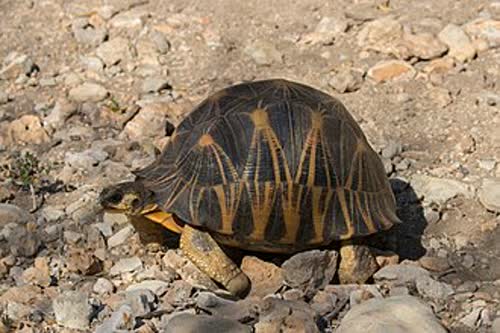
Poached by the thousands for the pet trade. Madagascar's Turtle Survival Alliance rescue center holds thousands of seized animals awaiting release.
Track the effort →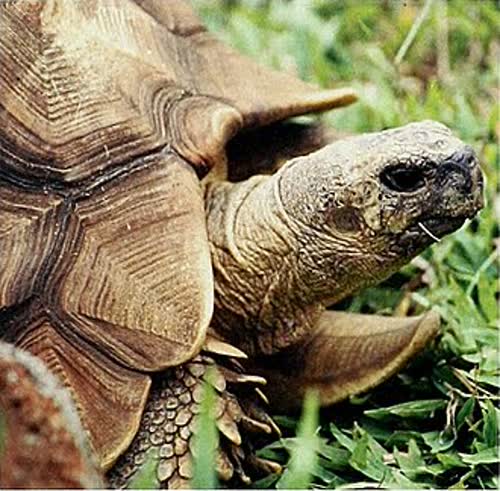
Conservationists engrave ID codes into their shells to make them unsellable to poachers. Captive breeding in Madagascar continues.
Track the effort →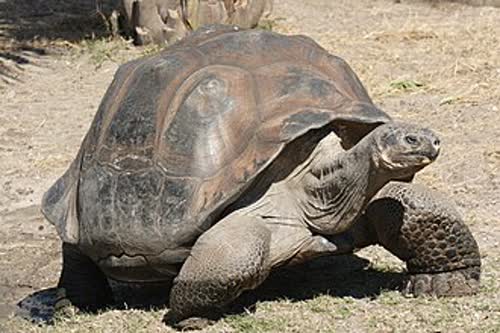
The Fausto Llerena breeding center restored Española Island from 15 tortoises. Invasive species control — rats, goats — remains the ongoing work.
Track the effort →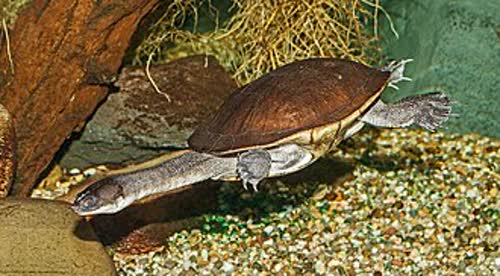
The pet trade nearly wiped it out on Rote Island, Indonesia. Community patrols now guard the remaining wetlands.
Track the effort →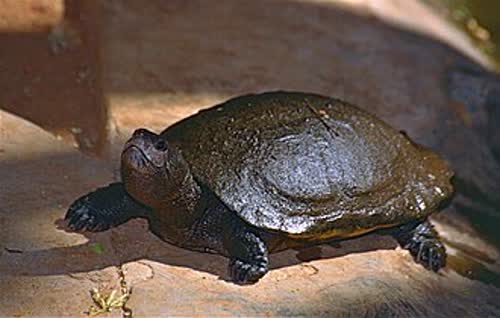
Fished heavily for food in western Madagascar. Nest protection and headstarting programs are buying time.
Track the effort →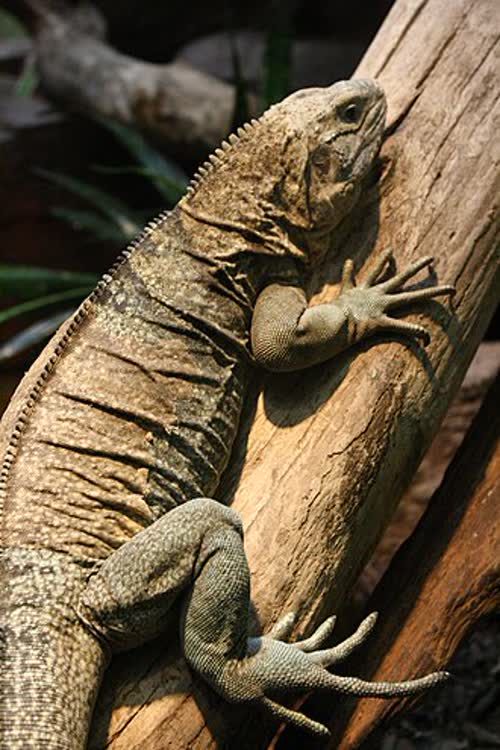
Thought extinct until rediscovered in 1990. Headstarting plus invasive predator control in the Hellshire Hills rebuilt a wild population.
Track the effort →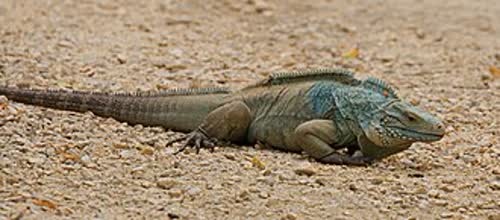
From ~15 animals in 2002 to ~1,000 via captive breeding on Grand Cayman — a reptile recovery model studied worldwide.
Track the effort →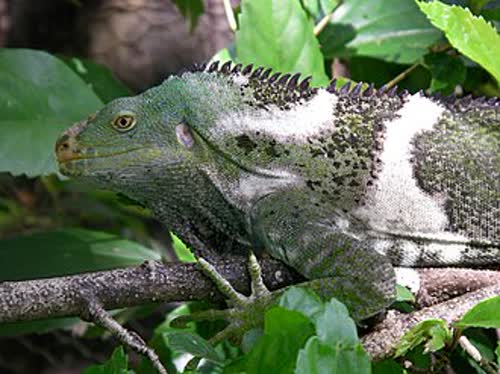
Feral cats and goats on Fiji's dry islands. Sanctuary islands plus native replanting are the recovery plan.
Track the effort →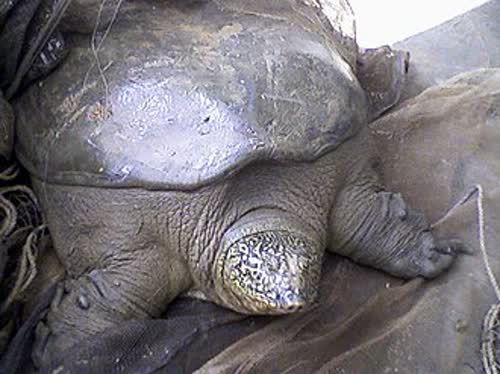
The world's most endangered turtle — only a handful of known individuals remain. Breeding attempts with the last survivors continue against the odds.
Track the effort →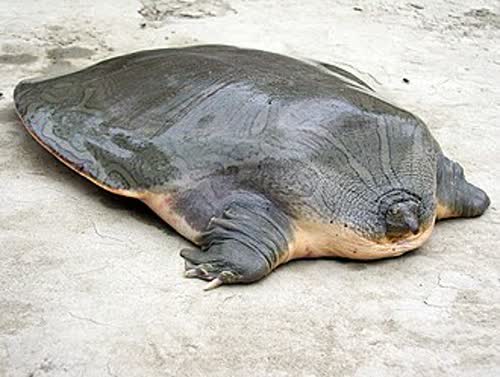
Sand-mining and fishing nets on the Ganges. Hatcheries are releasing headstarted juveniles back into the river.
Track the effort →15 species — the group hit hardest by the chytrid fungus pandemic.
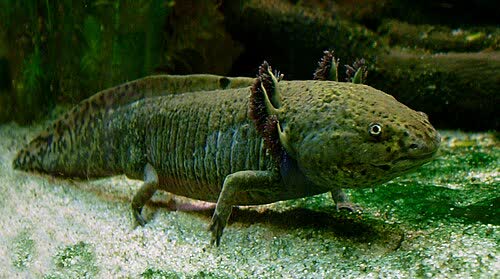
Mexico City's walking fish, down to fragments of Xochimilco's canals. Chinampa refuge islands plus captive colonies hold the species; invasive tilapia are the wild threat.
Track the effort →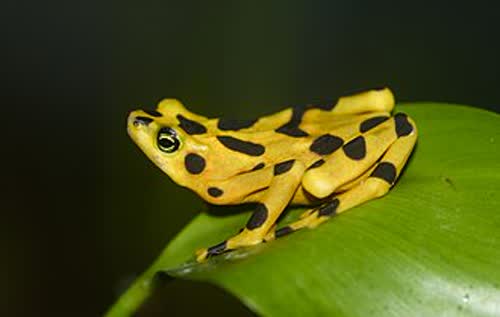
Chytrid wiped it out in the wild. Assurance colonies — including at Cheyenne Mountain Zoo — hold the species while probiotic anti-fungal treatments are trialed.
Track the effort →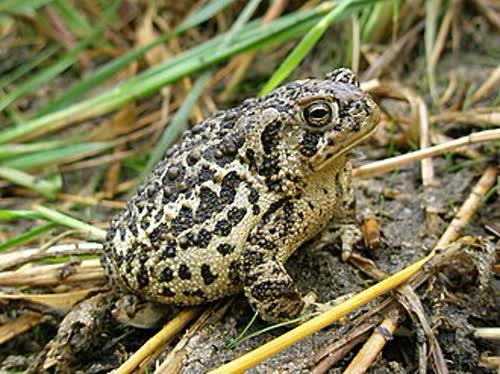
One of North America's rarest amphibians. Reintroductions at the Mortenson Lake refuge continue, with chytrid management the ongoing battle.
Track the effort →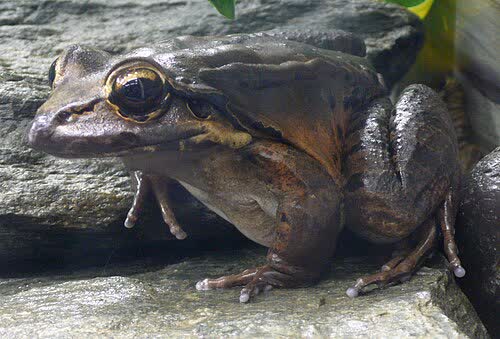
Chytrid plus hunting crashed this giant Caribbean frog. Durrell's captive breeding program is preparing releases for Dominica and Montserrat.
Track the effort →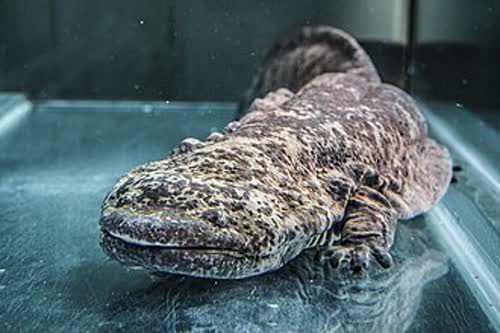
The world's largest amphibian — actually five or more cryptic species. Farm releases often used the wrong species; wild surveys and habitat protection are resetting the strategy.
Track the effort →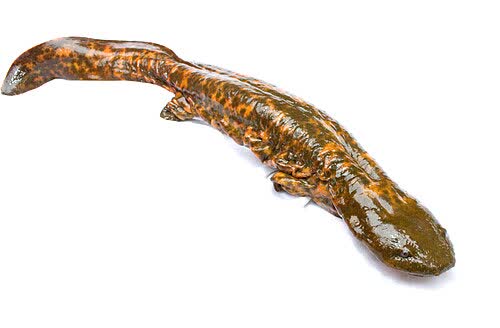
North America's giant salamander, hurt by siltation and dams. Nest boxes and captive rearing — St. Louis Zoo leads — are boosting the Ozark subspecies.
Track the effort →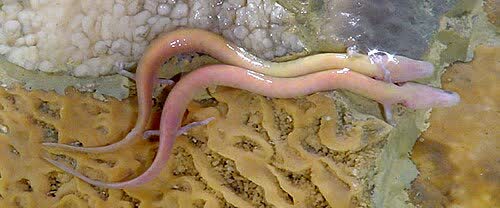
Europe's blind cave salamander, living decades in Balkan karst caves. Groundwater pollution monitoring in Slovenia and Croatia is the protection front.
Track the effort →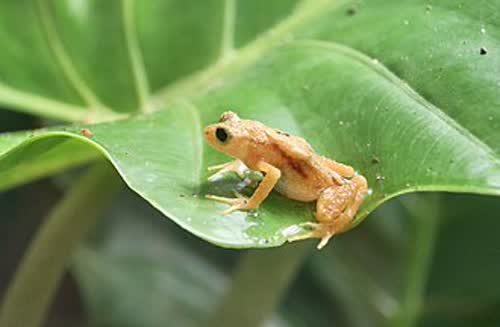
A dam dried its Tanzanian waterfall and it went extinct in the wild. Artificial misting systems restored the spray zone, and Bronx Zoo-bred toads are back.
Track the effort →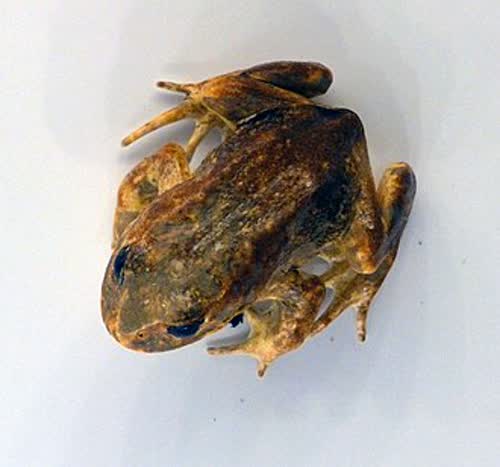
Confined to Australia's Baw Baw plateau and hit by chytrid. Melbourne Zoo's captive breeding program is the species' ark.
Track the effort →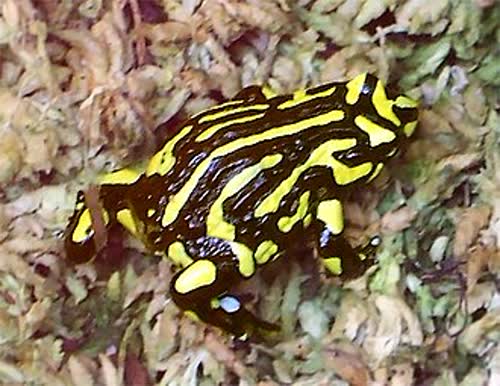
Australia's alpine jewel, ravaged by chytrid. Taronga Zoo breeding plus trials of disease-resistant reintroductions offer a path back.
Track the effort →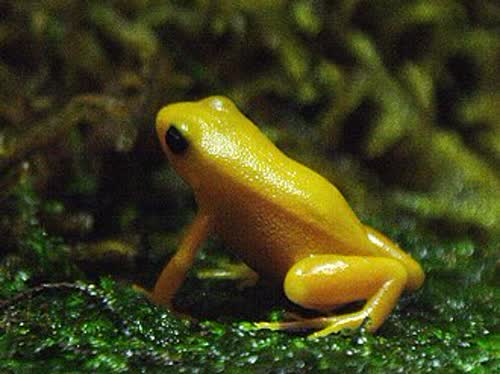
Madagascar's tiny orange frog, collected for the pet trade. Community-managed reserves around Moramanga protect its forest pools.
Track the effort →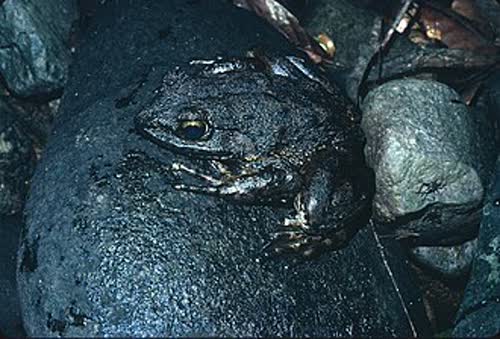
The world's largest frog, hunted for food in Cameroon. Riverbank nest-site protection is the current program.
Track the effort →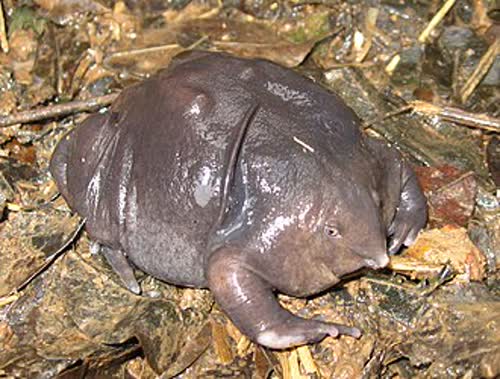
A Western Ghats endemic that lives underground and surfaces days a year to breed. Monsoon breeding-stream protection is the focus.
Track the effort →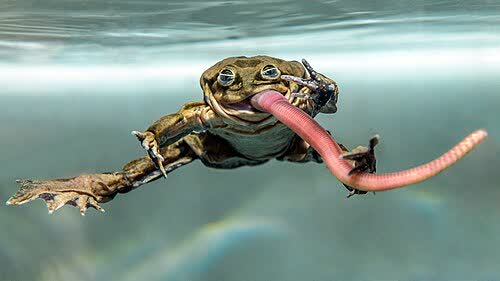
Lake Titicaca's giant frog, poached for "frog juice." Captive breeding (Denver Zoo and others) plus anti-poaching patrols are turning it around.
Track the effort →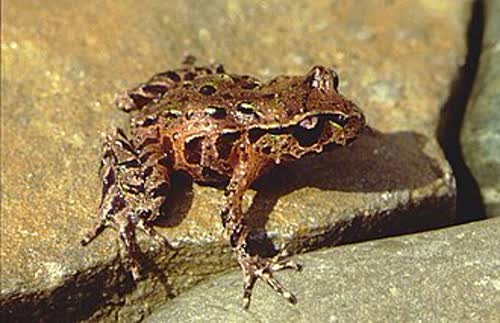
New Zealand's ancient frog — a living fossil lineage. Chytrid-free refuges and predator control in the Coromandel protect the last strongholds.
Track the effort →22 species — overfishing's toll, from sturgeon to sawfish.
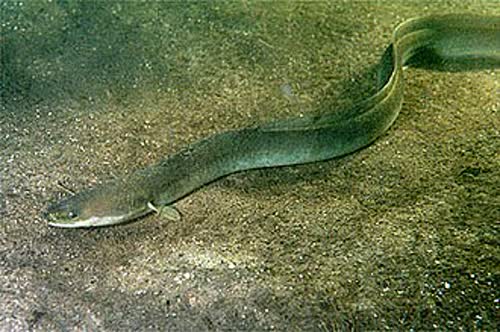
Glass-eel quotas, dam passage fixes, and CITES Appendix II listing are the tools. Recruitment is still a fraction of historic levels.
Track the effort →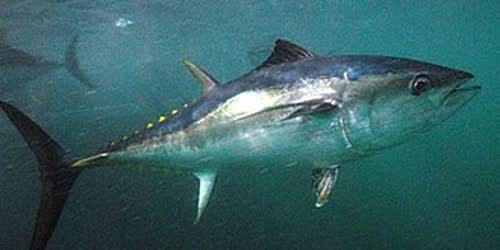
Quota cuts by the CCSBT are rebuilding spawning biomass — still ~20% of original, but trending up. Ranching pressure continues.
Track the effort →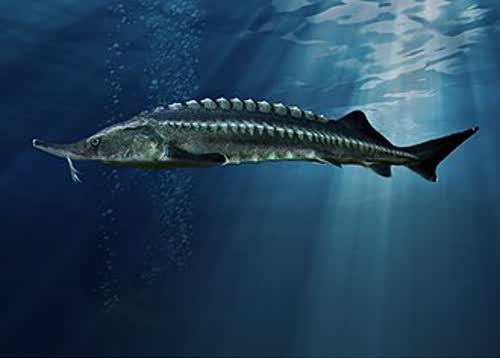
The source of beluga caviar, nearly fished out of the Caspian. Hatcheries and fishing bans exist, but wild spawning is close to gone.
Track the effort →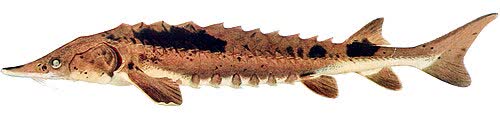
Yangtze dams blocked its spawning runs. Captive breeding plus China's fishing ban are the current strategy; wild reproduction is near zero.
Track the effort →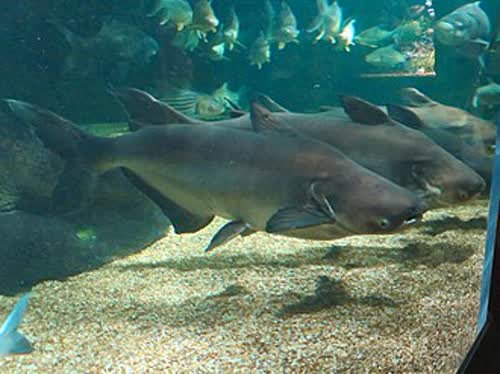
One of the world's largest freshwater fish, fragmented by Mekong dams. Catch-and-release rules and deep-pool protections are in place.
Track the effort →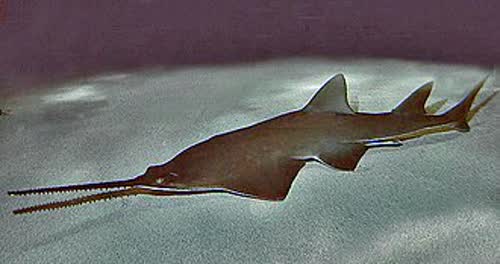
The US recovery plan protects Everglades nursery habitat. Entanglement in nets remains the threat; sightings are slowly increasing.
Track the effort →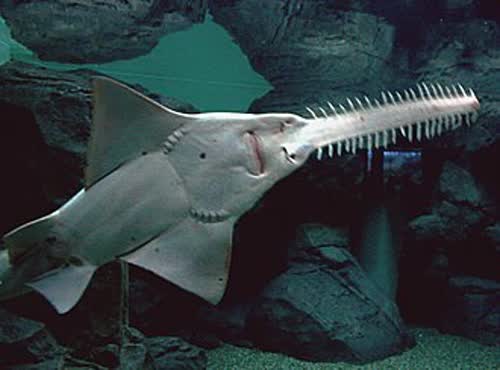
Australia's northern rivers are the last stronghold. Gillnet restrictions in the Gulf of Carpentaria are the key protection.
Track the effort →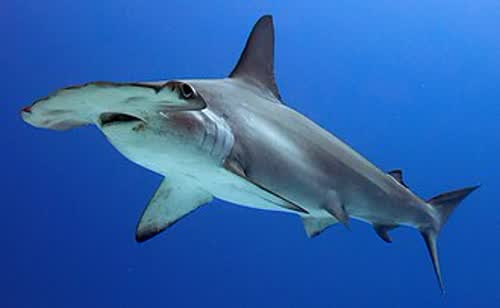
Listed globally CR in 2019. The fin trade drove the crash; CITES Appendix II (2013) plus nursery closures are the response.
Track the effort →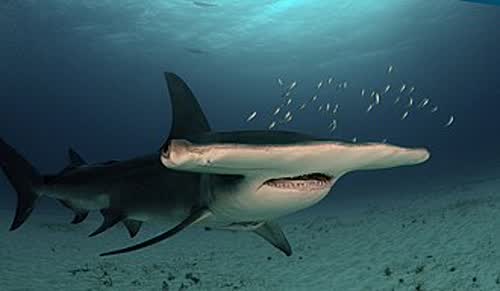
Bycatch and fins. Retention bans in Australia and the US Atlantic are in force; enforcement at sea is the gap.
Track the effort →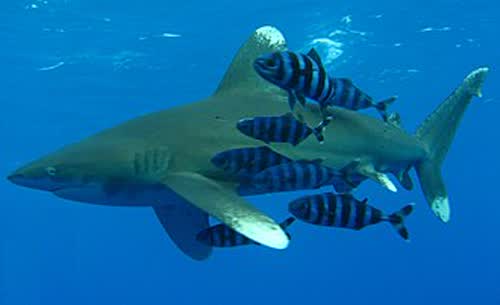
Down 90%+ in places — the classic overfished pelagic shark. An ICCAT retention ban covers the Atlantic; Pacific protections lag.
Track the effort →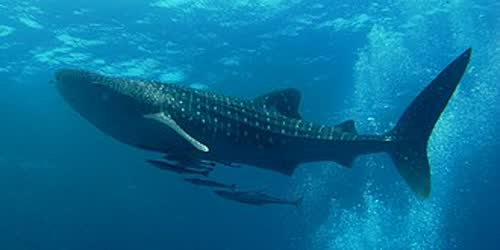
The biggest fish in the sea. Ship strikes and bycatch are the threats; ecotourism codes and satellite tracking guide protections in the Maldives, Philippines, and Mexico.
Track the effort →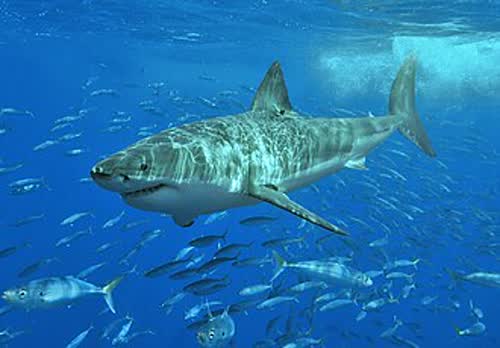
Protected in many waters; Atlantic populations are recovering while others are data-poor. Long-term monitoring in South Africa, Australia, and California continues.
Track the effort →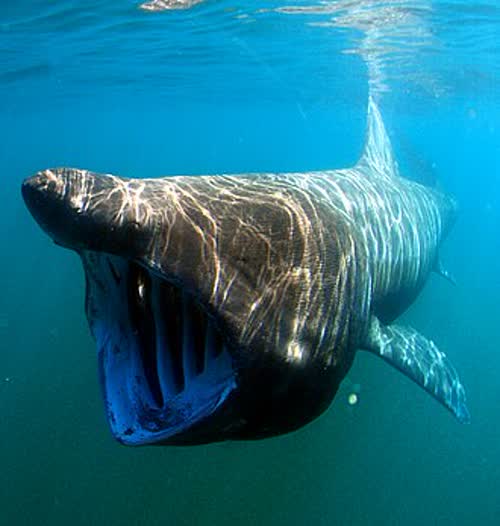
The second-biggest fish, once harpooned for liver oil. UK and Irish protections plus satellite tracking of feeding hotspots are the program.
Track the effort →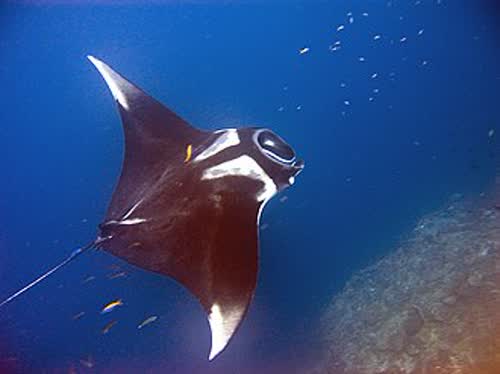
Hunted for gill plates used in traditional medicine. CITES Appendix II plus manta sanctuaries in Indonesia and the Maldives are the defense.
Track the effort →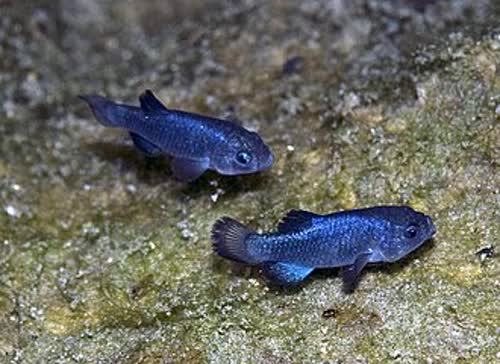
Lives in a single Nevada desert pool. Captive refuge populations are the backup; water-level monitoring guards the one wild habitat.
Track the effort →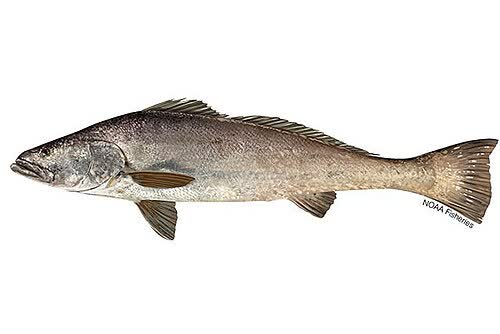
The vaquita's tragic bycatch twin — poached for its swim bladder. Gillnet bans in the upper Gulf plus aquaculture are easing pressure.
Track the effort →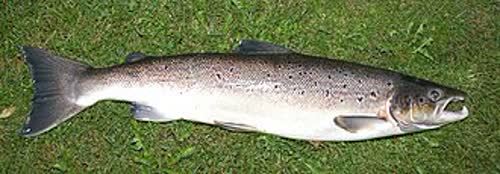
Dams, sea lice from fish farms, and warming rivers. River restoration plus stricter farm containment rules in Norway and Scotland are the current push.
Track the effort →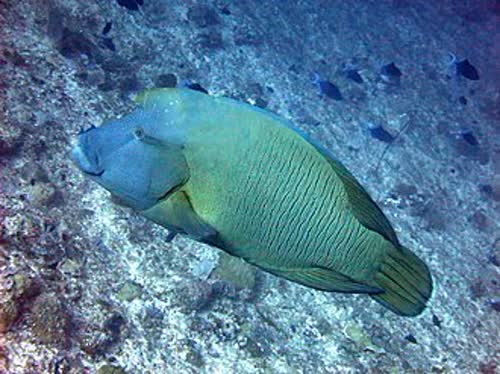
The live reef-fish trade targets this giant. CITES Appendix II and spawning-aggregation protections are in place across its range.
Track the effort →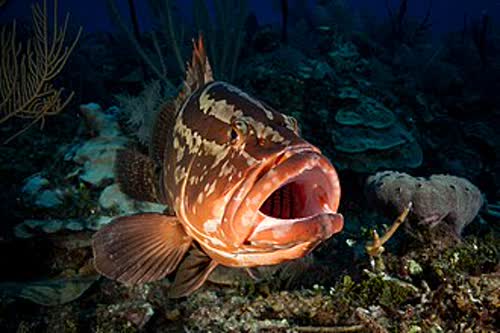
Fished out at its spawning aggregations. Seasonal bans in Belize and the Cayman Islands are showing real recovery — protection works when it's timed right.
Track the effort →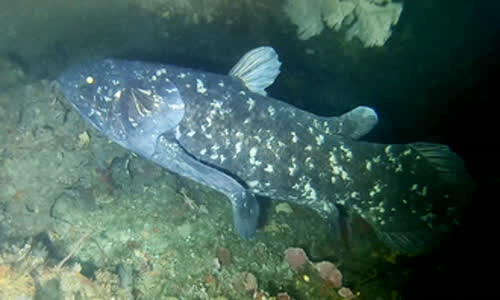
The "living fossil," caught as deep-set gillnet bycatch. Comoros and Tanzania protections plus bycatch monitoring are the program.
Track the effort →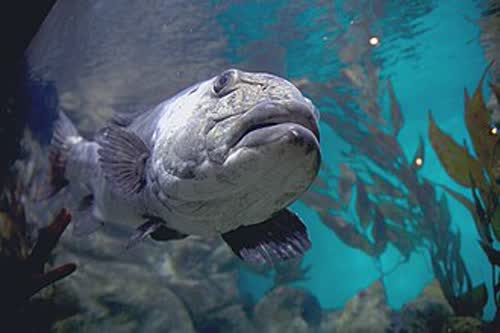
California's moratorium since 1981 is paying off — these giants are slowly returning to kelp forests. A patient recovery in progress.
Track the effort →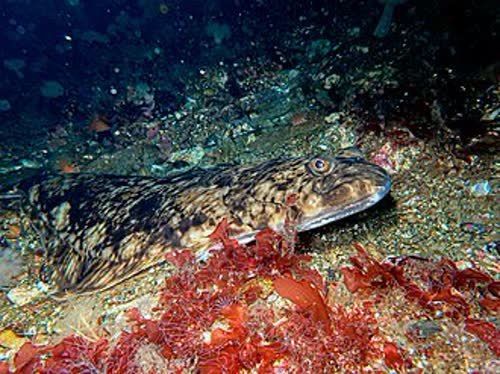
The Atlantic's biggest flatfish, overfished for a century. Quota management plus farmed halibut reducing wild pressure are rebuilding stocks.
Track the effort →12 species — pollinators, corals, and the small things holding ecosystems up.
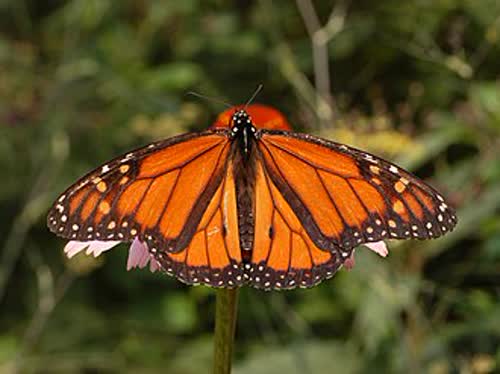
Eastern migratory population down ~90% since 1996. Milkweed planting across the Midwest plus protection of Mexico's overwintering forests are the twin efforts.
Track the effort →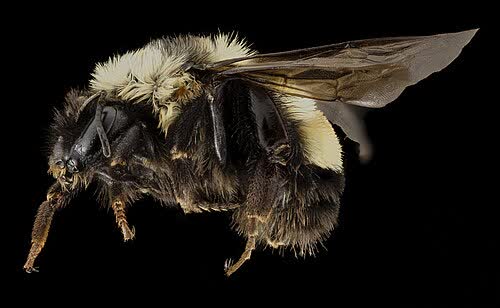
The first US bee listed as endangered (2017). Habitat restoration in the Upper Midwest; pesticides and disease are the suspects in its crash.
Track the effort →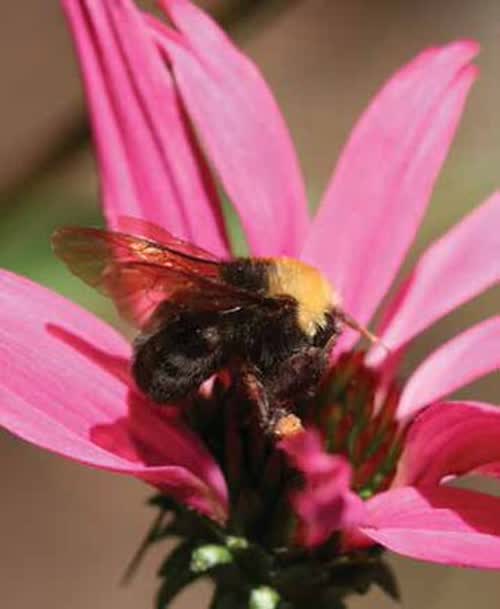
Not seen since 2006 in its tiny Oregon–California range. Searches continue; it may already be gone — a warning for every other pollinator.
Track the effort →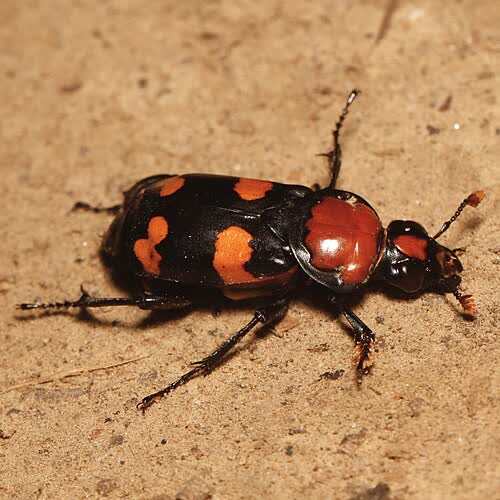
North America's largest carrion beetle. Reintroductions across the Midwest are rebuilding populations; it was downlisted to threatened in the US in 2020.
Track the effort →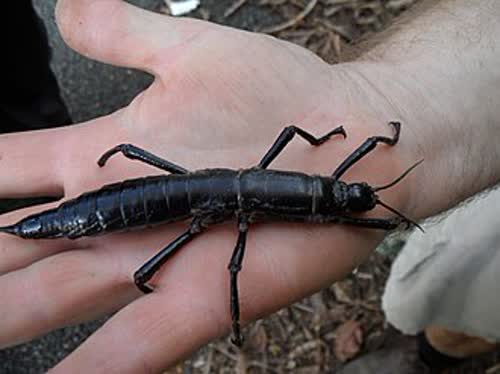
Thought extinct for 80 years, rediscovered in 2001 on a single rock spire, Ball's Pyramid. Melbourne Zoo is breeding them for a return to rat-free Lord Howe Island.
Track the effort →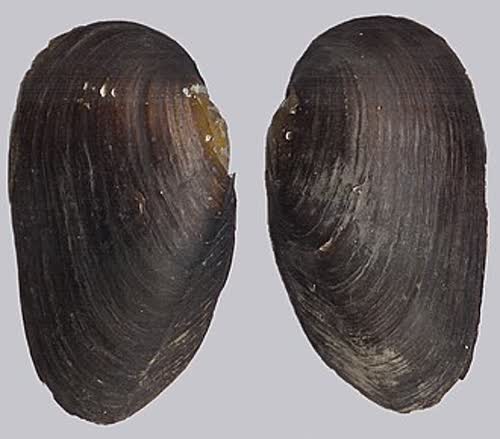
Can live 200+ years — and needs clean rivers plus salmonid host fish. EU river restoration programs are the long game.
Track the effort →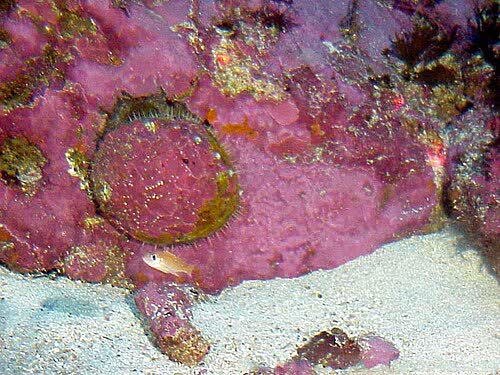
The first marine invertebrate listed as endangered in the US. Captive breeding and outplanting off California are rebuilding wild beds.
Track the effort →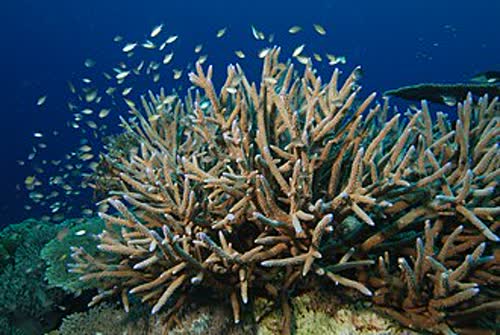
Caribbean coral nurseries are outplanting thousands of fragments, and heat-resilient genotypes are in trials. Bleaching events keep resetting progress.
Track the effort →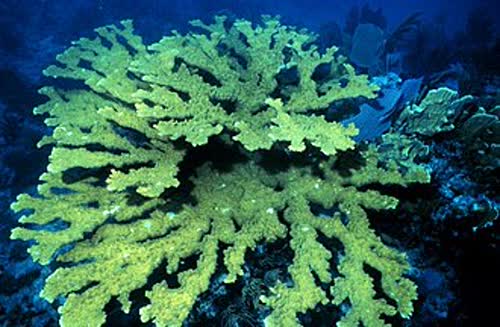
The Caribbean's reef-builder, down ~90% since the 1980s. Same nursery programs as staghorn; stony coral tissue loss disease is the newest threat.
Track the effort →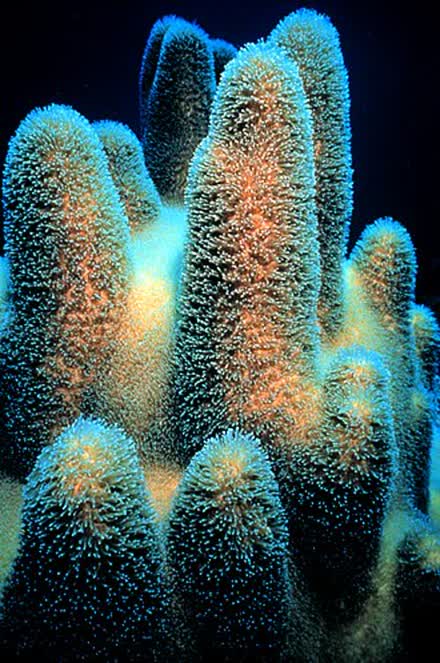
Florida's pillar coral was nearly wiped out by stony coral tissue loss disease. Genetic banking and lab spawning hold the recovery material.
Track the effort →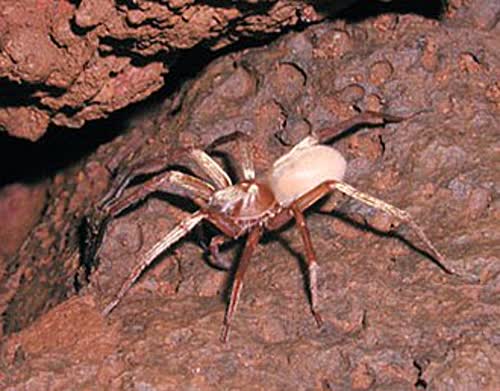
An eyeless spider in Kauai's lava tubes, hunting blind. Cave gating and development buffers protect its tiny underground world.
Track the effort →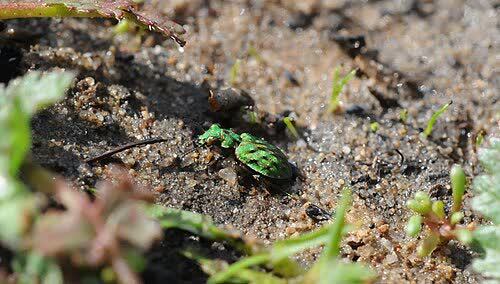
Lives only in California's Central Valley vernal pools. Vernal pool protection — an unglamorous, essential habitat fight — is the program.
Track the effort →These 144 species are the ambassadors of a much bigger crisis. The IUCN Red List tracks more than 40,000 threatened species, most of them plants, fungi, and invertebrates you've never heard of — and many going extinct before they're even described. If this page moved you, the full database is the next stop: every assessment, every population trend, every citation.